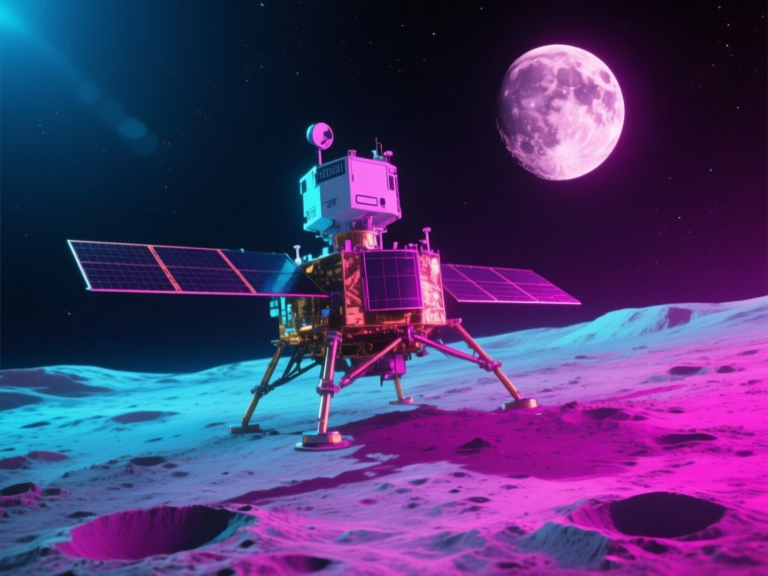
The idea of colonizing Venus has captivated scientists and science fiction enthusiasts alike, presenting a tantalizing vision of human settlement on our neighboring planet. Despite its extreme conditions, proposals for habitation focus on floating structures in the upper atmosphere rather than on the inhospitable surface.
Background and Context
Colonization of space, as defined by Stephen Hawking, is crucial for humanity’s survival. Venus, being the second largest terrestrial planet and Earth’s closest neighbor, has been identified as a potential candidate for colonization. Its size and mass yield a surface gravity of approximately 0.904 g, which may help mitigate health issues associated with long-term weightlessness experienced on other celestial bodies.
Advantages of Venusian Habitation
Venus shares several characteristics with Earth, making it an attractive option for colonization. The planet’s atmosphere, primarily composed of carbon dioxide, allows for the possibility of floating habitats at around 50 km (31 mi) altitude, where temperatures are a manageable 75 °C (348 K; 167 °F). This altitude provides a pressure of approximately 1 atm (1000 hPa), similar to Earth’s surface conditions.
Additionally, the upper atmosphere offers protection from harmful solar radiation, a significant advantage over Mars and the Moon. Transportation to Venus is also more feasible, with launch windows occurring every 584 days and shorter flight times compared to missions to Mars.
Challenges to Colonization
Despite its advantages, colonizing Venus poses substantial challenges. The surface temperature averages around 464 °C (737 K; 867 °F), and the atmospheric pressure is about 90 times that of Earth, equivalent to being nearly a kilometer underwater. These extreme conditions have led to the failure of past missions, such as the Soviet Venera probes, which could only transmit data for a short time before succumbing to the harsh environment.
Moreover, the absence of water and the presence of corrosive sulfuric acid in the atmosphere complicate the establishment of sustainable habitats. Materials resistant to such corrosive environments, like PTFE, would be necessary for construction.
Future Exploration and Concepts
NASA’s High Altitude Venus Operational Concept (HAVOC) aims to explore the feasibility of crewed missions in the Venusian atmosphere. Proposals for aerostat habitats suggest that breathable air could serve as a lifting gas, allowing for the creation of floating cities. These habitats could provide a more Earth-like environment, with the potential for human habitation without the need for pressurized suits.
While the colonization of Venus remains a theoretical endeavor, ongoing research and exploration may pave the way for future missions that could one day see humans living in the clouds of our sister planet.
This article was produced by NeonPulse.today using human and AI-assisted editorial processes, based on publicly available information. Content may be edited for clarity and style.