As humanity gazes into the cosmos, the dream of colonizing other planets transforms from science fiction into a potential reality. However, the challenges of human space colonization are immense, requiring a deep understanding of the environments we aim to inhabit and the technologies necessary to sustain life beyond Earth.
Defining Human Space Colonization
Human space colonization refers to the establishment of permanent human settlements on extraterrestrial bodies, such as the Moon or Mars. It is not merely about visiting these locations; it involves creating self-sustaining habitats where humans can live, work, and thrive over extended periods. This concept contrasts sharply with short-term missions, such as those conducted by astronauts aboard the International Space Station, which are designed for limited durations and specific scientific objectives.
Colonization encompasses a range of activities, including habitat construction, resource utilization, and the development of sustainable life-support systems. It also implies a social and economic framework that supports human life, integrating aspects of governance, culture, and community.
Mechanisms of Space Habitation
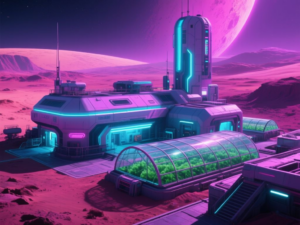
To understand how we might live on another planet, consider the analogy of a high-tech greenhouse. Just as a greenhouse creates a controlled environment for plants, a space habitat must provide essential elements: air, water, food, and protection from harsh external conditions. This involves advanced engineering and biological systems that can recycle resources and maintain a stable atmosphere.
For instance, habitats on Mars would need to generate oxygen from the carbon dioxide-rich atmosphere, using technologies like electrolysis or bioreactors that utilize photosynthetic organisms. Water, a critical resource, could be extracted from the Martian soil or ice deposits, while food production might rely on hydroponics or aeroponics, systems that grow plants without soil. These mechanisms must work in harmony to create a viable living environment.
Trade-offs in Space Colonization
Embarking on the journey of space colonization presents significant trade-offs. On one hand, the potential benefits include the survival of humanity in the face of Earth-bound challenges, such as climate change or resource depletion. Establishing a presence on other planets could also lead to scientific advancements and technological innovations that benefit life on Earth.
Conversely, the sacrifices are substantial. The costs of developing the necessary technologies and infrastructure are astronomical, requiring investments in research, development, and logistics. Moreover, the psychological and physical toll on astronauts and settlers must be considered, as prolonged exposure to microgravity and isolation can lead to health issues and mental strain.
Limitations and Bottlenecks
Two significant bottlenecks in human space colonization are radiation exposure and life support sustainability. Space is filled with cosmic radiation that poses severe health risks, including increased cancer rates and damage to the central nervous system. Developing effective shielding methods, whether through habitat design or protective materials, is crucial but remains a complex challenge.
Another bottleneck is the sustainability of life support systems. Creating a closed-loop system that can recycle air, water, and nutrients indefinitely is a daunting task. Current technology can recycle some resources, but achieving complete sustainability in the harsh environments of other planets requires breakthroughs in biotechnology and materials science.
Real-World Use Cases
One prominent use case for human space colonization is the establishment of a lunar base. Such a base could serve as a testing ground for technologies and systems needed for Mars colonization. It would allow scientists to study the effects of long-term habitation on human physiology and develop strategies for resource utilization, such as mining lunar regolith for building materials.
Another potential use case is the development of Martian colonies that focus on in-situ resource utilization (ISRU). By leveraging local resources, such as extracting water from the Martian soil and producing fuel from local materials, these colonies could reduce the need for resupply missions from Earth, making them more sustainable and economically viable.
Conclusion
The challenges of human space colonization are profound and multifaceted. While the dream of living on another planet captivates our imagination, it demands rigorous scientific inquiry and technological innovation. As we stand on the brink of this new frontier, understanding the complexities involved will be crucial for transforming our aspirations into reality.
This article was produced by NeonPulse.today using human and AI-assisted editorial processes. Content may be edited for clarity and style.