Enceladus Sprays Its Ocean Into Space. What Happens to the Evidence on the Way Out?

Cassini flew through Enceladus's plume, but new evidence suggests that the ice grains it sampled may have been chemically sorted before they reached the spacecraft.

Cassini flew through Enceladus's plume, but new evidence suggests that the ice grains it sampled may have been chemically sorted before they reached the spacecraft.
After nearly eight years in transit, the BepiColombo spacecraft has successfully separated from its Mercury Transfer Module, marking a significant milestone in its mission to study Mercury.

On August 31, 2026, Türkiye became the 71st signatory of the Artemis Accords, reinforcing its commitment to peaceful space exploration.

Turkey is set to become the 71st signatory of the Artemis Accords during a ceremony hosted by NASA, marking a significant step in global collaboration for lunar exploration.
NASA's Nancy Grace Roman Space Telescope is set to launch on August 30, 2026, aiming to unlock the universe's mysteries, including dark energy.
NASA and its commercial partners are making significant strides toward establishing a permanent human presence on the Moon, with multiple lunar lander missions in development.

NASA's SmallSat 2026 event highlights advancements in small satellite technology and upcoming missions, featuring discussions from industry experts.
A recent study indicates that reaching Europa's interior ocean may be more complex than previously thought, impacting future exploration missions.
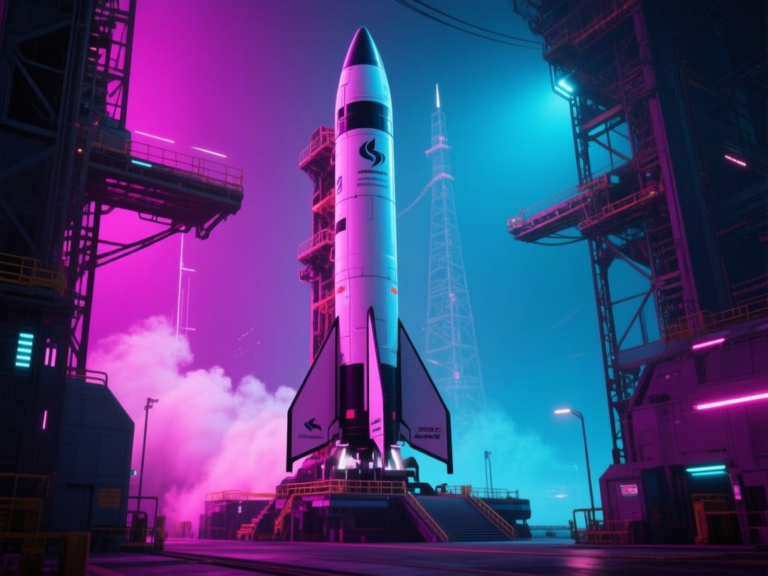
Firefly Aerospace has announced a postponement of its Alpha Flight 8 rocket launch to the fourth quarter of 2026, as the company prepares for critical testing and upgrades.

Antimatter propulsion presents a groundbreaking yet challenging concept for interstellar travel, leveraging the annihilation of matter and antimatter to generate immense energy.