The Moon Took a Once-in-a-Century Hit. Nobody Saw It Coming
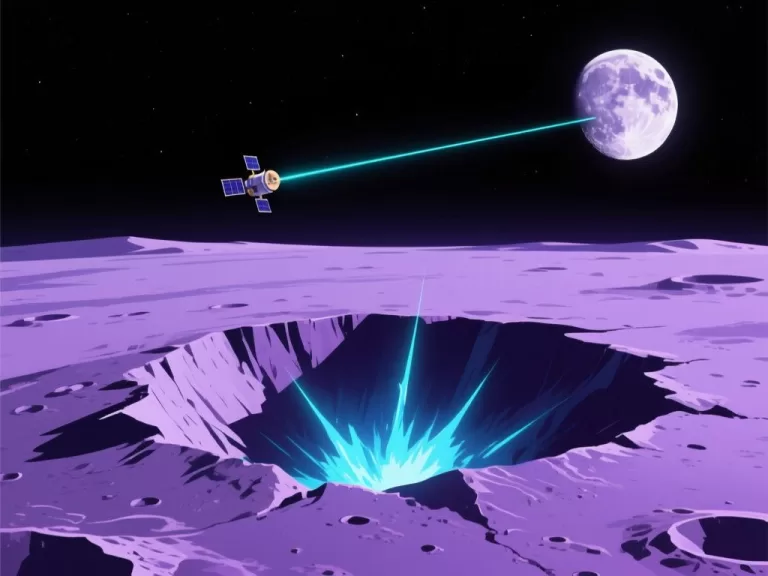
A 222-meter crater formed on the Moon in 2024, and scientists found it only after comparing orbital images more than a year later.

A 222-meter crater formed on the Moon in 2024, and scientists found it only after comparing orbital images more than a year later.
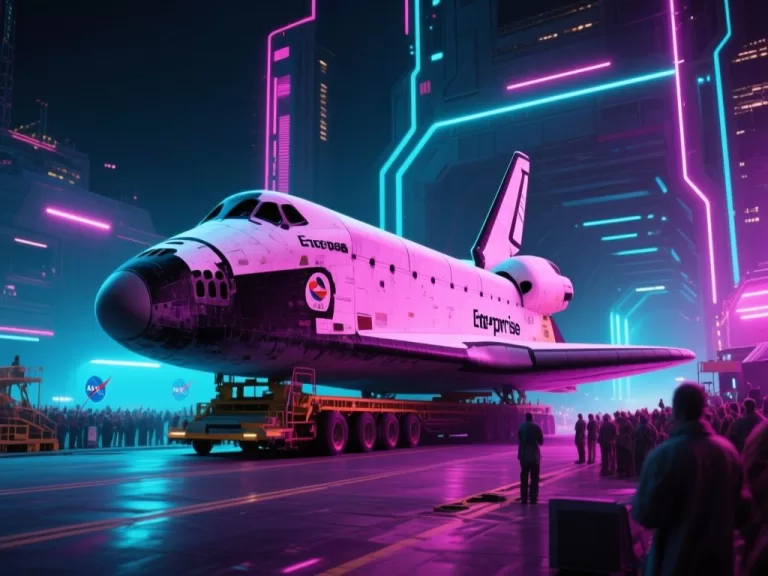
On Sept. 17, 1976, NASA presented OV-101 to the public. Though it was not designed for spaceflight, Enterprise conducted atmospheric test flights that helped prepare the shuttle program for its first space missions in 1981.
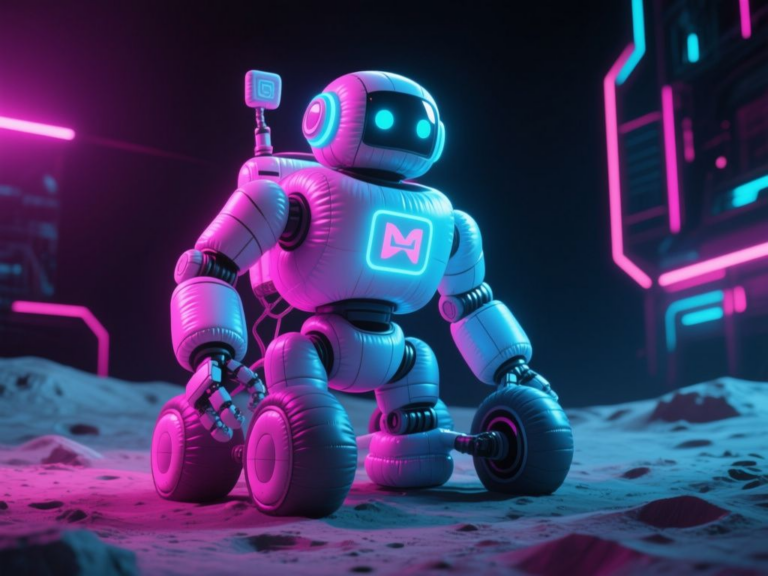
The RoboBall III, an inflatable robot designed for lunar exploration, promises to navigate the moon's treacherous terrain with unprecedented ease.
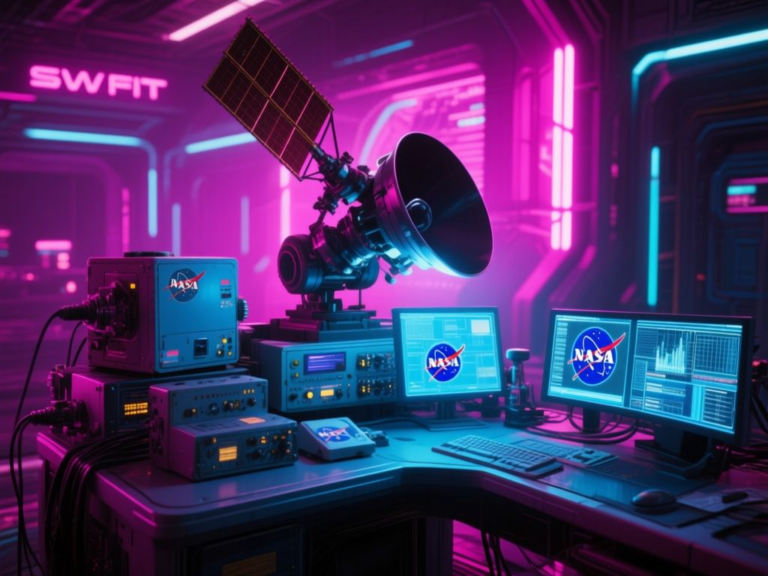
NASA's Swift Observatory is set to reenter Earth's atmosphere soon, but its team has reactivated instruments to maximize scientific output in its final months.
The New Horizons spacecraft, which has been pivotal in studying the outer Solar System, faces potential funding cuts that could halt its vital heliophysics research.

On August 31, 2026, Türkiye became the 71st signatory of the Artemis Accords, reinforcing its commitment to peaceful space exploration.
The Nancy Grace Roman Space Telescope is on the brink of launch, promising to revolutionize our understanding of the universe with its unprecedented imaging capabilities and data collection.
A recent study from NASA indicates that certain Earth microbes may survive in the Moon's polar regions, raising important questions for future lunar missions.

Turkey is set to become the 71st signatory of the Artemis Accords during a ceremony hosted by NASA, marking a significant step in global collaboration for lunar exploration.
NASA's Nancy Grace Roman Space Telescope is set to launch on August 30, 2026, aiming to unlock the universe's mysteries, including dark energy.