NASA Advances Lunar Cargo Landers for Future Moon Base
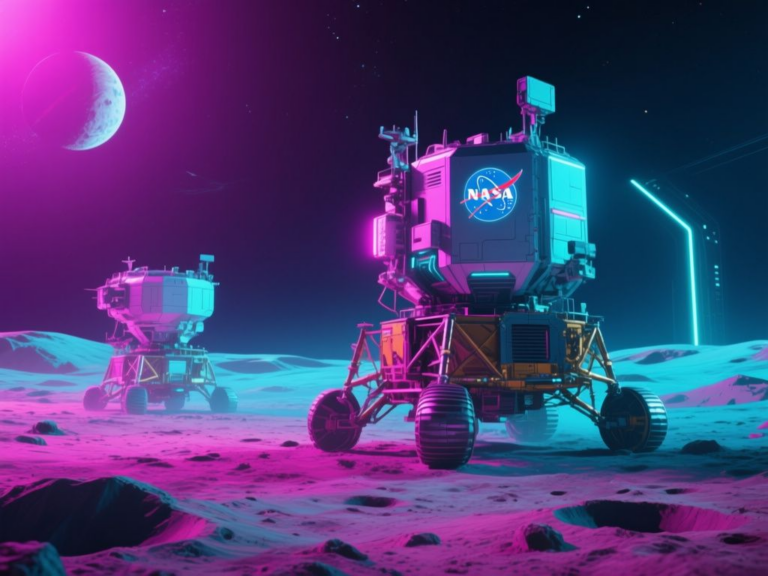
NASA and its commercial partners are making significant strides toward establishing a permanent human presence on the Moon, with multiple lunar lander missions in development.

NASA and its commercial partners are making significant strides toward establishing a permanent human presence on the Moon, with multiple lunar lander missions in development.

NASA's Lunar Reconnaissance Orbiter has successfully imaged the impact crater created by a SpaceX Falcon upper stage on the Moon, confirming the precision of trajectory predictions.

NASA's SmallSat 2026 event highlights advancements in small satellite technology and upcoming missions, featuring discussions from industry experts.

NASA astronauts Anil Menon and Sophie Adenot concluded a six-hour spacewalk, successfully removing a malfunctioning antenna from the International Space Station but unable to install a replacement due to time constraints.
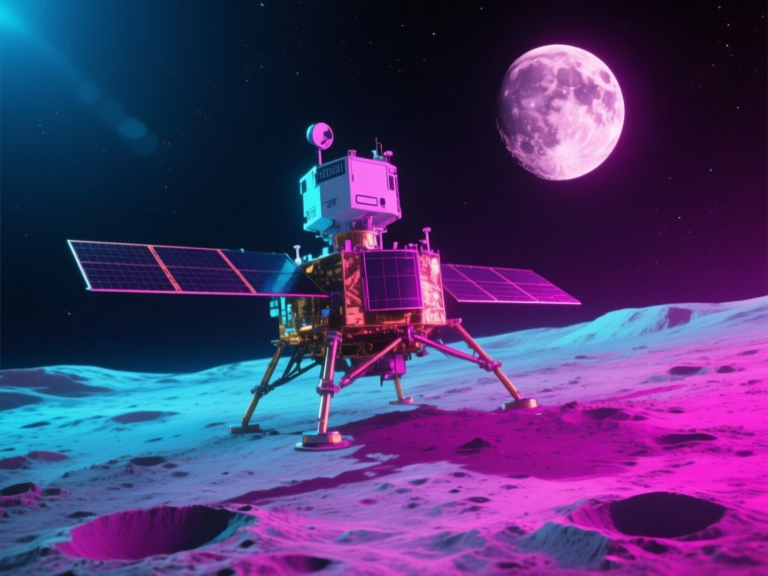
NASA has utilized its Lunar Reconnaissance Orbiter to assess the crater created by a SpaceX Falcon 9 upper stage on the Moon, revealing significant details about the impact.
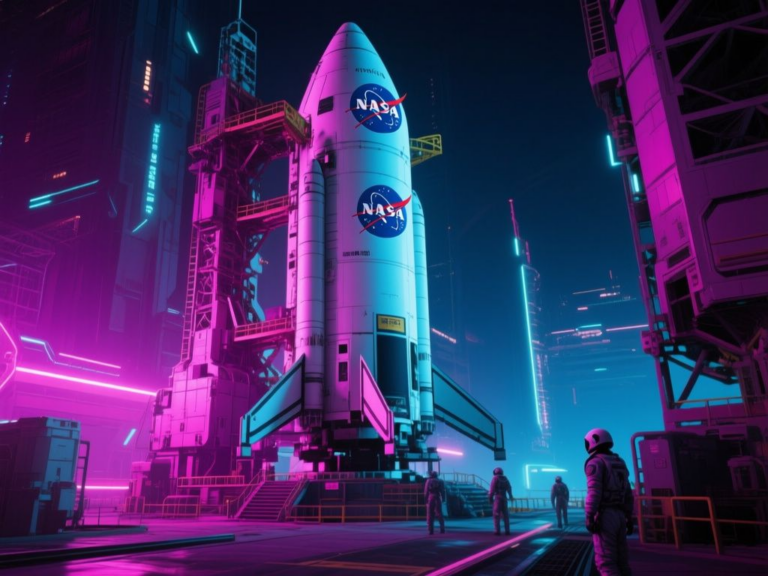
NASA Administrator Jared Isaacman expresses strong confidence in the upcoming Artemis 3 mission, set for 2027, as preparations intensify at Kennedy Space Center.

NASA astronaut Mike Fincke, a veteran of four spaceflights and pivotal in the Commercial Crew Program, retires after three decades of service.
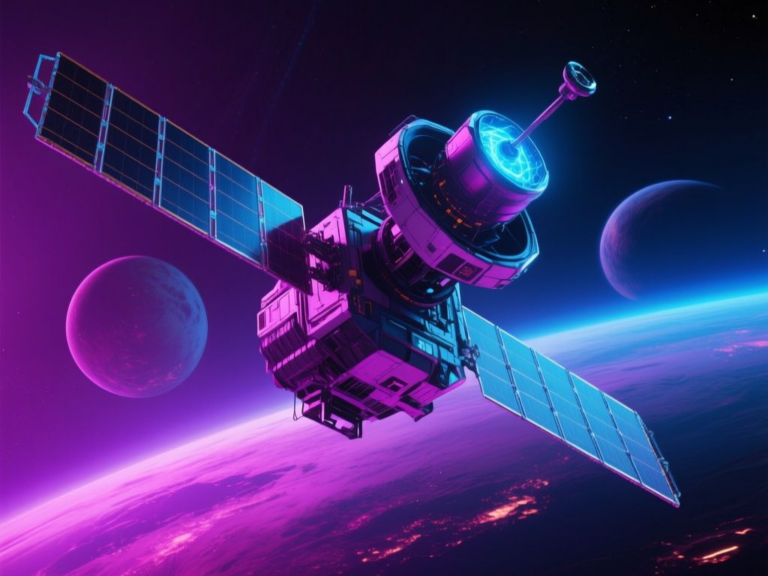
NASA's Nancy Grace Roman Space Telescope is set to revolutionize our understanding of dark energy, exoplanets, and dark matter, launching on August 30, 2026.

The Korean Aerospace Administration's Danuri lunar orbiter has successfully documented the impact site of a SpaceX rocket on the Moon, marking a significant milestone in lunar exploration.
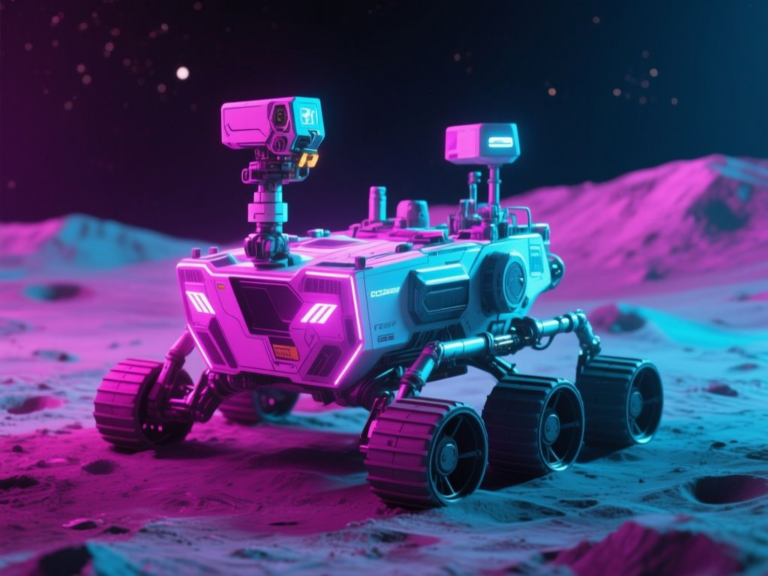
NASA is proposing to repurpose a Mars rover test model for lunar exploration, named PROMISE, to scout the moon's south pole.