NASA’s next nuclear propulsion experiment is aimed at Mars. A new agreement signed with the U.S. Department of Energy on October 8, 2026, connects that ambition to the less visible work of producing fuel, testing hardware and preparing it for launch.
The memorandum takes effect November 1. NASA says it establishes cooperation from research through operations, covering both nuclear power and propulsion. Administrator Jared Isaacman describes the direction as a “Nuclear NASA-era.” That is an agency ambition, rather than evidence that the flight hardware has already succeeded.
Nuclear propulsion has a destination
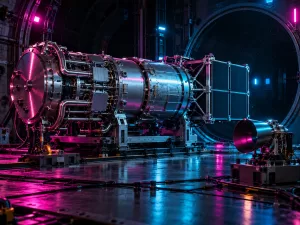
Space Reactor-1 Freedom, or SR-1, targets a late-2028 launch and a 2029 Mars arrival. NASA plans to demonstrate nuclear-electric propulsion and deliver SkyFall, a payload of three helicopters descended from the Ingenuity design.
The mechanism matters. A reactor supplies electrical energy for electric propulsion; this is different from a nuclear-thermal engine that directly heats propellant. NASA lists a closed Brayton-cycle power conversion system and a Hall thruster among SR-1’s components. The mission is explicitly a future demonstration, with objectives that include operating the propulsion system in space and extended reactor performance.
NASA’s mission description also explains the sequence: fly a reactor without the added demands of landing it on the Moon, then use that experience to inform Lunar Reactor-1. Its intended role is to keep a future lunar base operating where darkness or shadow makes solar power alone insufficient.
A partnership is not a flight result
The lunar objective predates this week’s signing. DOE’s earlier account of its nuclear programs already identified a lunar surface reactor ready for launch by 2030. NeonPulse covered the January partnership; the October announcement adds a broader cooperation framework rather than announcing an operating Moon reactor.
All three external sources are official program descriptions, not independent performance assessments. The October release does not demonstrate that SR-1 has flown or that its timetable is guaranteed.
Our assessment is that the important change is organizational: fuel, testing, launch integration and operations are being treated as one connected undertaking. The next convincing evidence will come from hardware milestones. A nuclear future in space needs more than a destination; it needs a complete system that can make the journey.