Microsoft Unveils Linux Tools and RTX Spark Desktop for Developers
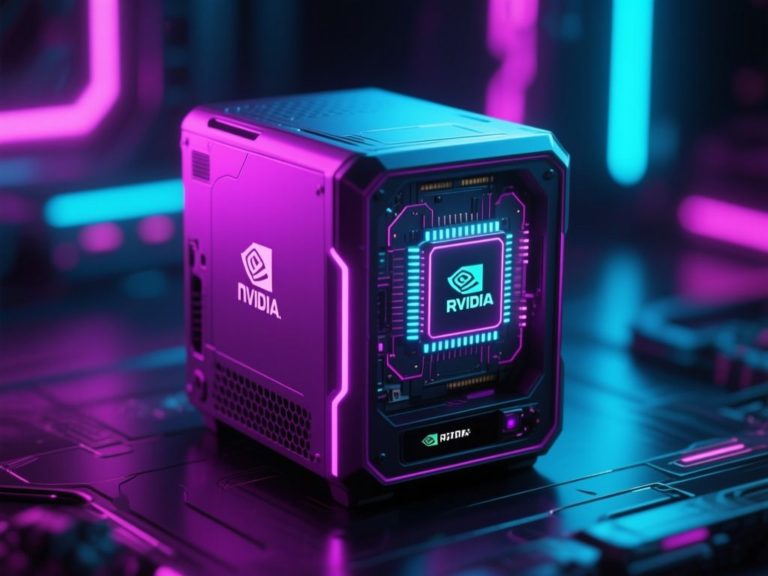
At the Build developer conference, Microsoft announced the Surface RTX Spark Dev Box and new Linux tools for Windows 11, enhancing the developer experience.

At the Build developer conference, Microsoft announced the Surface RTX Spark Dev Box and new Linux tools for Windows 11, enhancing the developer experience.
AMD has announced extended support for its AM5 socket until at least 2029, alongside the re-release of the Ryzen 7 5800X3D for the AM4 socket, reflecting the company's commitment to long-term platform stability.
Intel has unveiled its Arc G-series processors, designed specifically for handheld gaming PCs, marking its entry into a competitive market dominated by AMD.
NASA's satellite systems have demonstrated the ability to detect GPS jammers, providing valuable insights for navigation safety in high-risk areas.
The introduction of Apple's MacBook Neo has prompted a strategic response from various PC manufacturers, focusing on new budget-friendly processors and competitive pricing.
AMD has launched the Ryzen AI Halo, a mini PC designed for AI development, featuring a Ryzen AI Max CPU and promising cost savings over traditional AI workstations.
AMD is set to bring its FidelityFX Super Resolution 4 (FSR 4) technology to older Radeon GPUs, starting with RDNA3 and RDNA2 architectures, enhancing upscaling capabilities for a broader range of users.
Cerebras Systems has successfully launched an IPO, raising $5.55 billion and reaching a valuation of $66 billion, thanks to its unique wafer-scale AI accelerators.
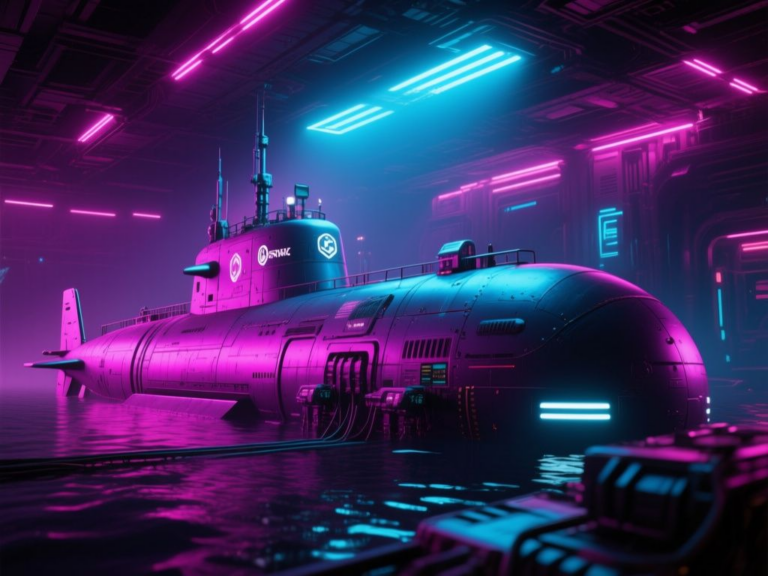
Submarine technology has evolved significantly since its inception, particularly in the realm of communications. This article explores the development of extremely low frequency (ELF) radio systems that enable submarines to communicate while submerged.
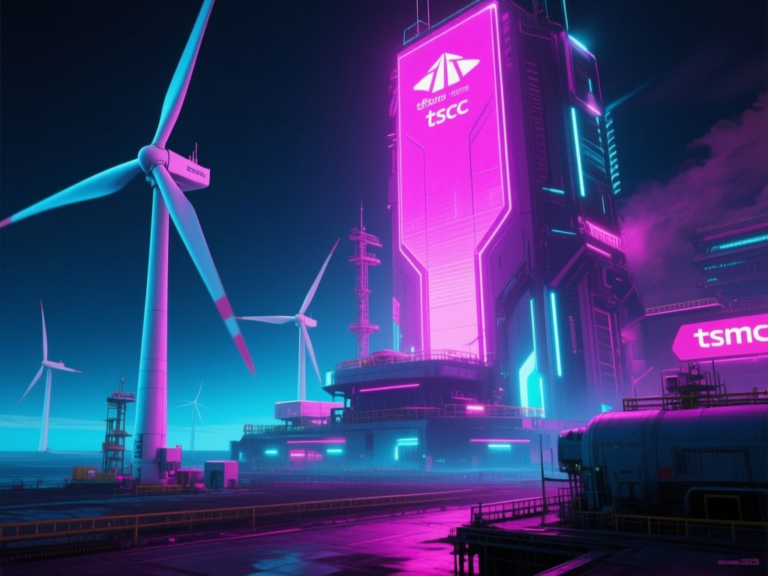
Taiwan Semiconductor Manufacturing Company (TSMC) is enhancing its energy strategy by investing in wind power to meet the rising demand for AI chips while addressing Taiwan's energy crisis.