As the world grapples with the growing challenge of electronic waste, a San Francisco startup named Tuurny is stepping forward with an innovative solution. Their automated system, known as Nantul, is engineered to extract reusable RAM chips from circuit boards before the materials are shredded.
Addressing E-Waste Challenges
The urgency to improve e-waste recycling is underscored by the United Nations’ projection that 82 million tonnes of e-waste will be generated annually by 2030. Current recycling practices capture less than a third of the recoverable metal value in discarded electronics, often due to the destructive methods employed before the boards reach recycling facilities.
Tuurny’s Robotic Solution
Tuurny’s Nantul system aims to reverse traditional recycling processes by first identifying and extracting valuable components, such as RAM integrated circuits, before shredding the remaining materials. In April, the company announced that each Nantul machine can recover up to 300 intact RAM ICs per hour. The startup is preparing for its first deployment of dozens of these machines through a six-figure deal with Areera, a UK-based television recycler.
How Nantul Works
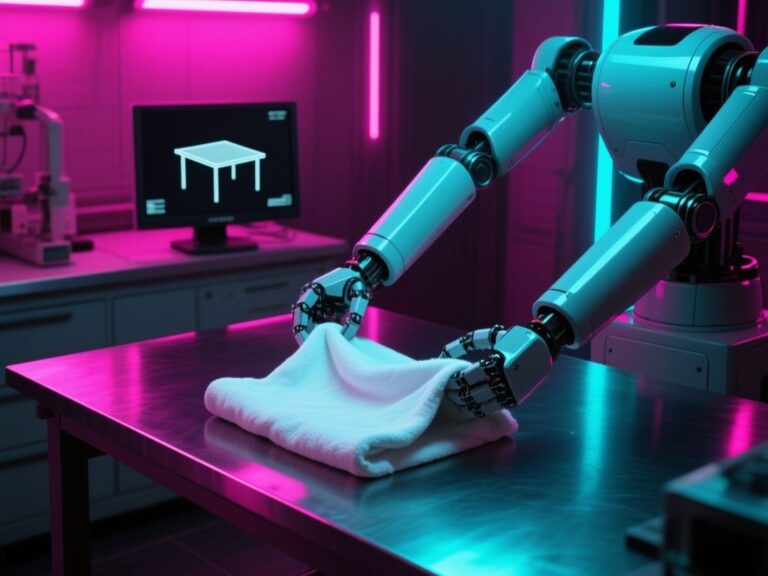
The Nantul system comprises three robotic components: an arm that feeds the component-removal robots and two tabletop machines that function similarly to 3D printers or CNC machines. A neural network identifies and catalogs components, utilizing manufacturers’ thermal-profile specifications to guide the extraction process. This involves a combination of suction, controlled heat, and computer vision to minimize damage during removal.
Future Prospects and Challenges
Tuurny’s focus on RAM chips is strategic, as these components have a high reuse value and are more standardized compared to other electronic parts. However, challenges remain in ensuring that the extraction process does not compromise the functionality of the chips. The variability in used circuit boards—due to factors like layout, contamination, and prior damage—adds complexity to the robotic disassembly process.
As Tuurny continues to refine its technology, the potential for creating a new supply chain from recycled materials could reshape the landscape of electronic waste management. The startup is also exploring partnerships with legacy chip suppliers and aims to provide recovered materials to smelters and refiners.
This article was produced by NeonPulse.today using human and AI-assisted editorial processes, based on publicly available information. Content may be edited for clarity and style.
Original source: spectrum.ieee.org