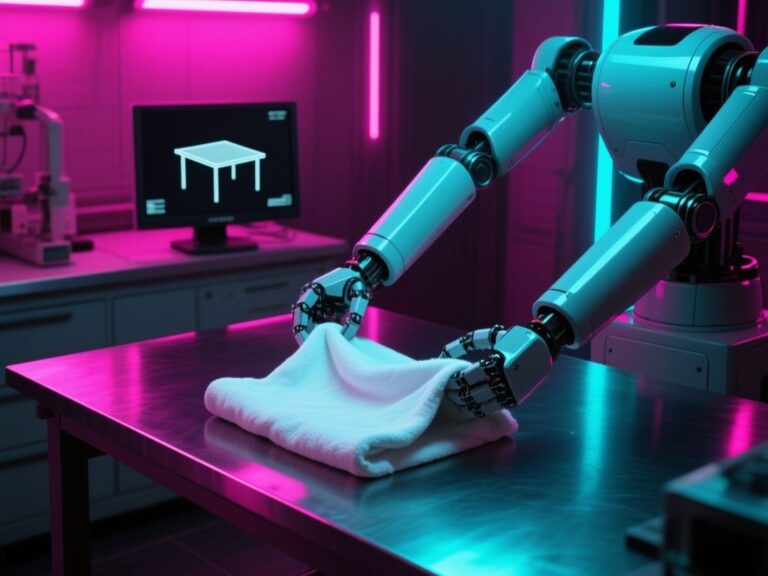
The landscape of humanoid robotics is shifting with the recent launch of the NEO Factory in Hayward, California. This facility represents a pivotal moment in the industry, as it becomes the United States’ most vertically integrated robot factory, now in full-scale production.
At the heart of this operation is the ability to produce 55 humanoid robots each week. These units are designated for various purposes, including internal research and development, data collection, and the exploration of robots performing end-to-end housework. However, it is noteworthy that commercial use cases for these robots are still under development.
Vertical Integration and Manufacturing
The NEO Factory spans 58,000 square feet and employs over 200 team members. It is designed to handle every critical component of robot manufacturing in-house, including motors, batteries, transmissions, sensors, and structures. This comprehensive approach facilitates faster iterations and enhances safety, ultimately aiming for a true American scale in robot production.
Future Prospects
With the first robots already rolling off the production line, consumer shipments are anticipated for 2026. This timeline marks a significant step toward realizing the vision of accessible, general-purpose home robots.
Dynamic Balancing and Advanced Capabilities
In addition to production advancements, the technology behind humanoid robots is evolving. For instance, dynamically balanced robots can adjust their center of mass to manage loads without tipping over. This capability is crucial for pushing the boundaries of robot performance, particularly in tasks requiring stability and dexterity.
As the NEO Factory begins its operations, the implications for the future of humanoid robotics are profound. The integration of manufacturing processes and the focus on developing practical applications could redefine how robots are utilized in everyday life.
This article was produced by NeonPulse.today using human and AI-assisted editorial processes, based on publicly available information. Content may be edited for clarity and style.
Original source: spectrum.ieee.org