NASA has set forth an ambitious plan to invest $20 billion over the next seven years to create a permanent lunar base near the Moon’s south pole. This announcement was made by NASA Administrator Jared Isaacman during an event at the agency’s headquarters in Washington, coinciding with the upcoming Artemis 2 mission, which is set to launch in just eight days.
Mission Objectives and Infrastructure Development
The plan outlines a series of objectives aimed at establishing a semi-permanent astronaut presence on the lunar surface. Isaacman emphasized the goal of launching two moon landing missions annually, which will facilitate exploration, research, and the development of technologies necessary for future Mars missions. “This time, the goal is to stay,” he stated, highlighting a shift from past lunar missions focused on brief visits.
Revised Artemis Program and New Partnerships
The revised Artemis program will transition from reliance on the government-operated Space Launch System to utilizing competitive commercial rockets from companies such as SpaceX and Blue Origin. Additionally, NASA plans to pause the development of the Gateway space station in lunar orbit, reallocating its components to support the lunar base initiative.
Nuclear Power Systems for Lunar Operations
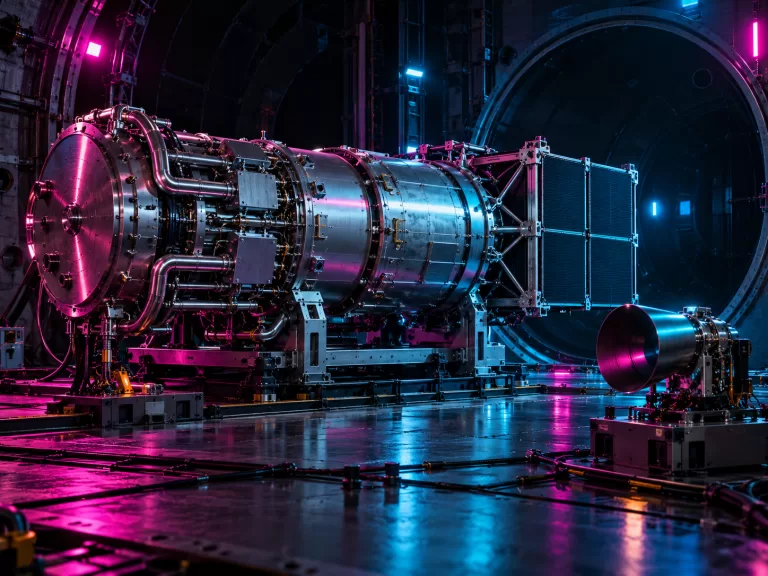
Integral to this plan is the development of nuclear power systems that will provide essential energy for habitats, equipment, and astronaut operations on both the Moon and Mars. The first mission to utilize this technology will be the Skyfall mission in 2028, which aims to deploy a fission reactor, known as Space Reactor 1 (SR-1), to power a nuclear-electric propulsion system for exploratory helicopters on Mars.
Phased Approach to Base Construction
The construction of the moon base will occur in three phases. Phase 1 will focus on increasing the frequency of astronaut and cargo flights to the Moon, facilitating the testing of various technologies. Phase 2 will involve the establishment of habitats and infrastructure for regular astronaut operations. Finally, Phase 3 will aim to create the permanent infrastructure necessary to sustain human presence, including power systems, rovers, and communication networks.
Isaacman expressed a sense of urgency, stating that failure to achieve these goals would not be an option, especially in light of international competition. “Expect uncomfortable action if that is what it takes,” he warned, underscoring the significant public investment in lunar exploration.
This article was produced by NeonPulse.today using human and AI-assisted editorial processes, based on publicly available information. Content may be edited for clarity and style.
Original source: spaceflightnow.com