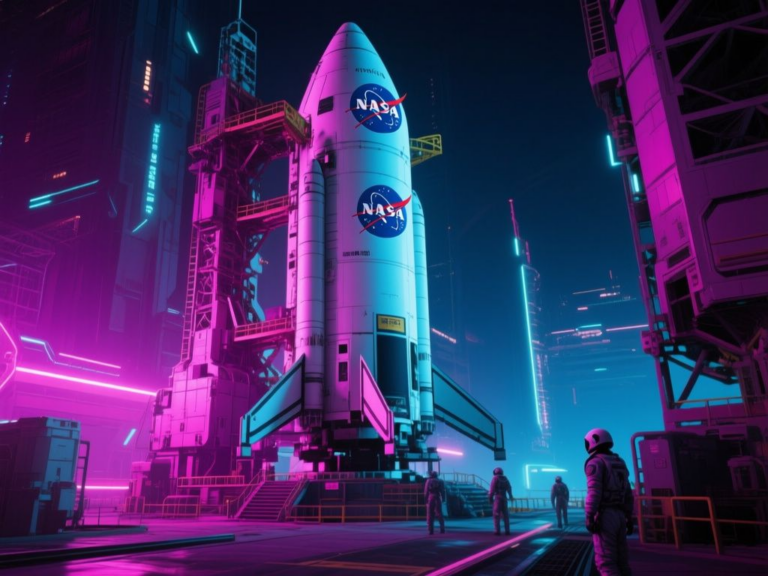
The timeline for NASA’s Artemis II, the agency’s first crewed mission to the moon’s vicinity since the Apollo program, has been pushed back once more. Initially slated for a launch as early as March 6, preparations at the Kennedy Space Center have been interrupted due to a helium flow issue affecting the Space Launch System (SLS) rocket’s upper stage.
NASA reported that the rocket must be rolled back from the launch pad to the Vehicle Assembly Building (VAB) for troubleshooting and repairs. A media briefing is expected later this week to provide further details on the situation and the next steps.
NASA Administrator Jared Isaacman confirmed via a post on X that this rollback will eliminate the possibility of a March launch window. The agency’s blog indicated that efforts are now focused on potentially preserving an April launch window, contingent upon the results of ongoing data analysis, repair efforts, and the evolving schedule.
Helium Flow Problem Identified
The issue was detected in the early hours of February 21, when NASA observed an interrupted flow of helium to the SLS rocket’s interim cryogenic propulsion stage. Helium is crucial for maintaining the proper environmental conditions for the upper stage’s engine and for pressurizing the liquid hydrogen and liquid oxygen propellant tanks.
While the systems functioned correctly during the wet dress rehearsal prior to the issue, teams encountered difficulties with helium flow during normal operations and reconfigurations following the rehearsal that concluded on February 19. In response, operators are employing a backup method to ensure the environmental conditions for the upper stage engines remain stable, and the rocket is currently in a safe configuration.
Astronauts’ Quarantine Status
The Artemis II crew, which includes Commander Reid Wiseman, Pilot Victor Glover, Mission Specialist Christina Koch, and Canadian Space Agency astronaut Jeremy Hansen, had just entered quarantine a day prior to the helium issue. NASA has since reported that the astronauts have exited quarantine.
Revised Mission Timeline
At the beginning of this year, NASA had announced an accelerated timeline for Artemis II, which was initially scheduled for April 2026 after prior delays. This mission, lasting 10 days, will mark the first crewed flight of the SLS rocket, taking the astronauts on a journey around the moon in the Orion spacecraft. Following earlier setbacks, the launch target shifted from early February to March, and now the focus is on a potential April launch, depending on the resolution of the helium flow issue.
This article was produced by NeonPulse.today using human and AI-assisted editorial processes, based on publicly available information. Content may be edited for clarity and style.