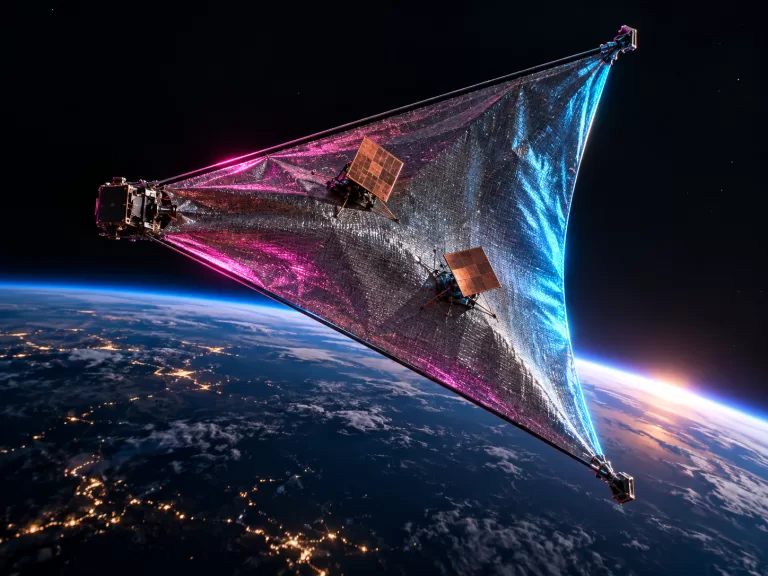
A significant chapter in space exploration was written on July 2, 2026, as a United Launch Alliance (ULA) Atlas 5 551 rocket lifted off from Space Launch Complex 41 at Cape Canaveral Space Force Station. This mission, designated Leo Atlas 8, successfully deployed 29 satellites for Amazon Leo’s broadband internet constellation, marking the final flight of the Atlas 5 in its 551 configuration.
Mission Overview
The Atlas 5 rocket launched at 12:30:15 a.m. EDT (0430:15 UTC), following a launch readiness review conducted two days prior. The rocket, which stands 205 feet tall (62.5 m) and weighs 1.9 million pounds (862,000 kg), flew on a north-easterly trajectory after liftoff. This mission was pivotal for Amazon Leo, which has now successfully launched a total of 224 satellites with a 100 percent success rate across all eight missions conducted with ULA.
Transition to New Launch Vehicles
Melissa Wuerl, Amazon Leo’s Director of Launch Systems, expressed enthusiasm for the transition to ULA’s next-generation Vulcan rocket, stating, “With hundreds of flight-ready satellites standing by at the Cape and a new, dedicated vertical integration facility ready to support Leo Vulcan 1 and subsequent missions, we have a clear path to increase launch and deployment cadence.” This transition is expected to facilitate a quicker expansion of network coverage, with an initial service rollout anticipated later this year.
Future Launch Plans
Following the successful deployment of the 29 satellites, Amazon Leo’s constellation will consist of 396 satellites in low Earth orbit. The company has plans for additional launches, including one more mission with an Ariane 6 rocket later this year, and expects the first Vulcan flight to occur in the third quarter of 2026. Amazon Leo has also secured partnerships with various corporate clients, including Hitachi Construction Machinery, which will utilize satellite connectivity for operational workflows starting in 2026.
Legacy of the Atlas 5 Rocket
The Atlas 5 rocket, with the designation AV-114 for this mission, has been a reliable workhorse for ULA, with 110 launches to date. The 551 configuration, characterized by its five-meter fairing and multiple solid rocket boosters, has been instrumental in various missions since its first flight in 2006. With only six Atlas 5 rockets remaining, all designated for Boeing’s CST-100 Starliner spacecraft, the legacy of the Atlas 5 is set to conclude as ULA pivots to newer technologies.
This article was produced by NeonPulse.today using human and AI-assisted editorial processes, based on publicly available information. Content may be edited for clarity and style.
Original source: spaceflightnow.com