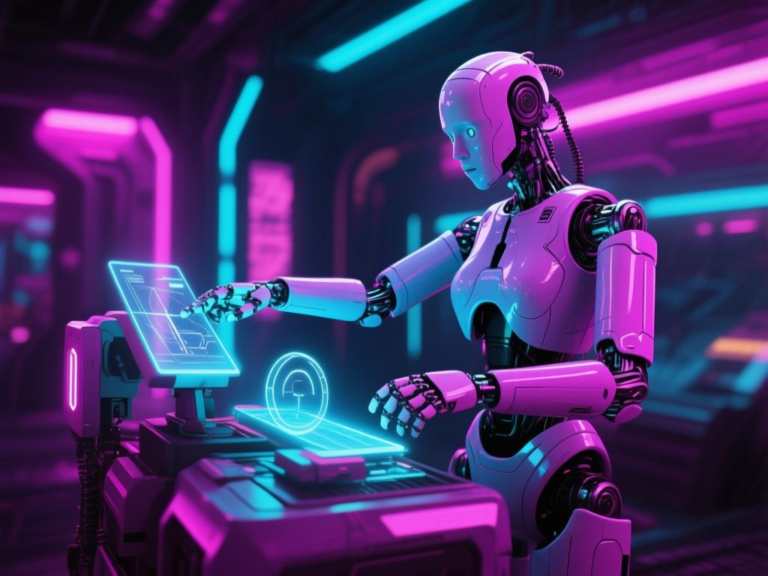
The landscape of robotics is on the brink of transformation, yet the journey toward fully autonomous machines is fraught with challenges. With billions of AI-driven robots projected to assist in various sectors, the question arises: what will it take for these machines to make a significant economic impact?
Investment and Expectations
In 2025, investments in robotics reached an impressive US $40.7 billion, representing 9 percent of all venture funding. Despite this financial backing, the gap between the current capabilities of robotics and the lofty promises made by companies remains substantial. While humanoid robots are often showcased in captivating demonstrations, the reality of their deployment in everyday environments is still a distant goal.
The Complexity of Real-World Robotics
Robots are increasingly moving away from traditional programming to a model where they learn from their surroundings. This shift is crucial as the physical world presents complexities that scripted programs cannot adequately address. The authors, Jonathan Hurst and Hans Peter Brøndmo, highlight their extensive experience in deploying AI-powered robots, asserting that the future of robotics lies in the coordinated application of various AI tools rather than a single, revolutionary breakthrough.
Challenges in Data and Training
One of the significant hurdles in advancing robotics is the need for vast amounts of high-quality training data. Unlike Large Language Models (LLMs) that thrive on extensive human-generated text, robots require data that encompasses a multitude of physical scenarios. The authors note that collecting this data is a monumental task, exemplified by the 240 million robot instances run in simulations at Everyday Robots in 2022 to develop a trash-sorting model.
The Road Ahead for Robotics
Looking forward, the authors assert that there will not be a singular AI capable of powering all types of robots. Instead, they envision a future where “agentic AI” models coordinate various specialized systems, allowing robots to collaborate effectively. This evolution will likely democratize access to advanced robotic capabilities, similar to the transformative impact of the internet.
As robotics continues to develop, the interplay between AI tools and hardware will shape the future landscape, paving the way for new solutions and markets.
This article was produced by NeonPulse.today using human and AI-assisted editorial processes, based on publicly available information. Content may be edited for clarity and style.
Original source: spectrum.ieee.org