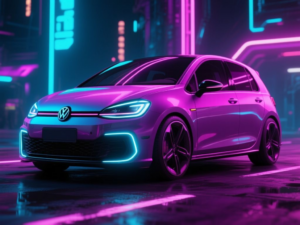
Volkswagen has officially introduced the ID. Polo GTI, its first electric vehicle to carry the GTI badge, a significant milestone in the evolution of the brand’s performance hatchbacks. This new model draws inspiration from the original Golf GTI, which set the standard for hot hatchbacks when it debuted in 1976.
The ID. Polo GTI is a smaller alternative to the current Golf, featuring a front-wheel-drive layout powered by an electric motor that produces 222 hp (166 kW). This output is more than double that of the original Golf GTI’s 1.6 L engine. The vehicle is equipped with a 52 kWh battery pack, offering a WLTP range estimate of 236 miles (424 km). It supports DC fast charging at a rate of up to 105 kW, allowing for a 10–80 percent charge in approximately 24 minutes.
Performance Metrics
The ID. Polo GTI can accelerate from zero to 62 mph (100 km/h) in 6.8 seconds, which is considered brisk, although not exceptionally rapid compared to modern performance standards. The vehicle’s curb weight is 3,395 lbs (1,540 kg), which is notably heavier than the classic hatchbacks of the 70s, 80s, and 90s.
Design Features
Aesthetically, the ID. Polo GTI incorporates several design elements that pay homage to its predecessors. It features 19-inch alloy wheels, honeycomb intake grilles, and classic GTI details such as the iconic red stripe and badges. The interior includes sports seats and a sporty steering wheel, with a nod to the classic GTI tartan seat trim. The main instrument display is a 10.25-inch digital screen, designed to evoke the retro feel of the late-70s Golf GTI.
Pricing and Market Position
Volkswagen has announced that the ID. Polo GTI will be priced at “just under €39,000” in Germany, translating to over $45,000 at current exchange rates. This pricing includes a 19 percent VAT, and even without considering potential tariffs, it positions the ID. Polo GTI as a less competitive option for the U.S. market. Given the differences in testing cycles, it is anticipated that a federalized version of the vehicle would likely achieve a range of less than 200 miles (321 km), which may not meet the expectations of American EV buyers.
This article was produced by NeonPulse.today using human and AI-assisted editorial processes, based on publicly available information. Content may be edited for clarity and style.
Original source: arstechnica.com