E-readers have transformed the way we consume literature, offering a digital alternative to traditional physical books. They combine the experience of reading with the convenience of technology, making them a popular choice for many readers. This explainer will explore the benefits of e-readers, how they work, their trade-offs, and important considerations for potential users.
What is an E-Reader?
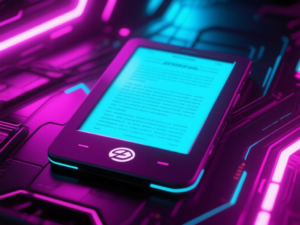
An e-reader, or electronic reader, is a portable device designed primarily for reading digital e-books and periodicals. Unlike tablets or smartphones, e-readers typically use e-ink technology, which mimics the appearance of ink on paper and reduces eye strain. They are not multifunctional devices; their primary purpose is to provide a reading experience that is as close to physical books as possible.
In contrast, physical books are tangible objects made of paper and ink, offering a sensory experience that includes the feel of the pages and the smell of the paper. While both formats serve the same fundamental purpose—reading—they do so in markedly different ways.
How E-Readers Work
E-readers operate using electronic ink technology, which consists of tiny microcapsules filled with black and white particles. When an electric charge is applied, these particles move to the surface, creating text and images. This technology allows for a high contrast and readability similar to printed text, even in bright sunlight.
To understand how e-readers work, consider the analogy of a digital canvas. Just as an artist can create a painting by layering colors and textures, an e-reader displays text and images by manipulating the microcapsules on its screen. This process is energy-efficient, allowing e-readers to maintain battery life for weeks on a single charge, unlike tablets that require frequent recharging.
Trade-Offs: What You Gain vs. What You Sacrifice
One of the most significant advantages of e-readers is their portability. A single device can store thousands of books, making it easy to carry an entire library wherever you go. This is particularly beneficial for travelers or those with limited storage space. Additionally, e-readers often come with features such as adjustable font sizes, built-in dictionaries, and the ability to highlight text, enhancing the reading experience.
However, the transition from physical books to e-readers does come with sacrifices. The tactile experience of flipping through pages and the aesthetic appeal of a bookshelf filled with books are lost. Moreover, e-readers rely on technology, which can fail or become obsolete, leading to concerns about long-term access to digital content.
Troubleshooting and Decision Framework
When considering an e-reader, potential users should evaluate their reading habits and preferences. Key factors include screen size, battery life, and storage capacity. For example, a larger screen may enhance the reading experience for graphic novels or textbooks, while a smaller, more compact device may be ideal for casual readers.
Additionally, consider the ecosystem of e-books available. Some e-readers are compatible with specific formats or platforms, which can limit access to certain titles. Users should also assess their comfort level with technology, as e-readers may require some familiarity with digital interfaces.
Limitations and Failure Modes
Despite their advantages, e-readers have limitations. One notable issue is screen glare, which can make reading difficult in bright environments. Although many e-readers use e-ink technology to mitigate this, it is not entirely eliminated. Users may need to adjust their reading environment to avoid glare.
Another limitation is the dependency on battery life. While e-readers typically have long-lasting batteries, they can still run out of power, leaving users unable to read. This is in stark contrast to physical books, which require no power and can be read at any time. Users should always consider their reading habits and whether they are comfortable with the need to recharge their devices periodically.
This article was produced by NeonPulse.today using human and AI-assisted editorial processes. Content may be edited for clarity and style.