Cities Abandon Flock Safety Contracts Amid Rising Surveillance Concerns

A surge in localities terminating contracts with Flock Safety highlights growing backlash against surveillance technology in the U.S.

A surge in localities terminating contracts with Flock Safety highlights growing backlash against surveillance technology in the U.S.
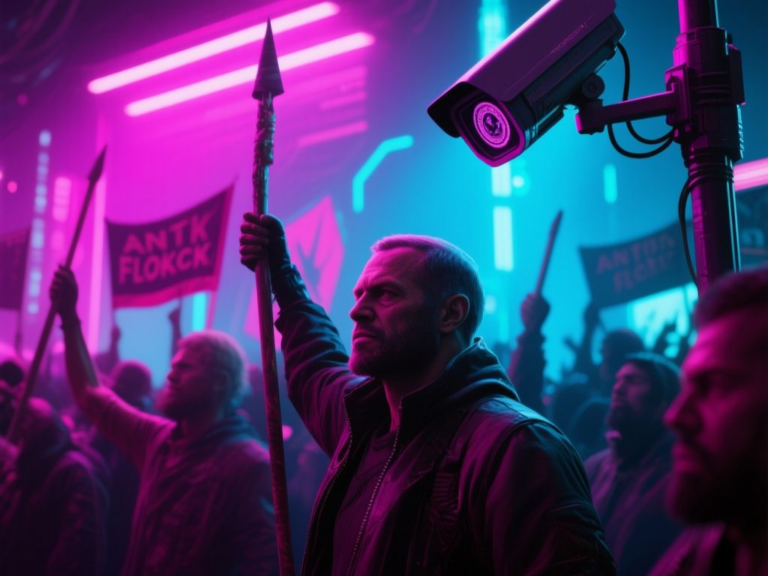
Law enforcement agencies are closely monitoring social media activity related to the anti-Flock movement, as backlash against automated license plate readers grows.

As drone surveillance expands, cities across the U.S. are leveraging this technology to monitor and enforce laws against illegal fireworks, resulting in significant fines and enhanced public safety measures.

Russian authorities utilized Cellebrite's forensic technology on the iPhone of opposition activist Andrey Pivovarov, raising concerns about the effectiveness of sales cutoffs for such tools.

Despite the expiration of Title VII of the Foreign Intelligence Surveillance Act (FISA), government surveillance capabilities under Section 702 will continue unaffected until March 2027.

A San Diego man was wrongfully arrested due to a misidentified license plate linked to a crime he was miles away from. The incident raises questions about the reliability of surveillance technology.
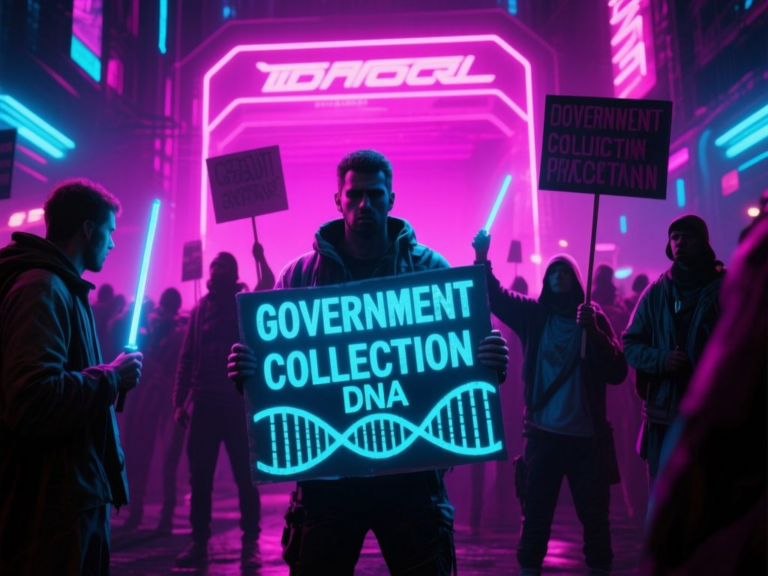
Four protesters are suing the DHS and FBI, claiming unlawful DNA collection during peaceful protests against ICE activities.

The Metropolitan Police Service has initiated the use of Palantir's AI technology to scrutinize its officers, prompting concerns from the police federation about privacy and legal implications.

The Department of Homeland Security is reportedly working on smart glasses aimed at enhancing immigration enforcement capabilities.

A recent Citizen Lab report reveals that various law enforcement agencies have utilized the Webloc surveillance system to track up to 500 million devices globally, raising concerns about privacy and oversight.