Solar Cells Leak Light. Could a Silver Layer Rewrite Their Limits?
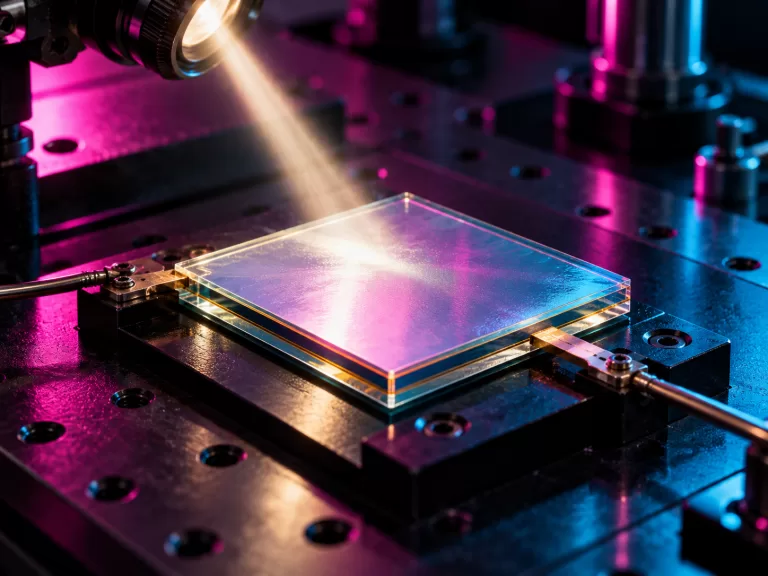
An ICFO experiment targets an overlooked energy loss inside organic solar cells. The result raises a bigger question about a familiar efficiency ceiling.

An ICFO experiment targets an overlooked energy loss inside organic solar cells. The result raises a bigger question about a familiar efficiency ceiling.
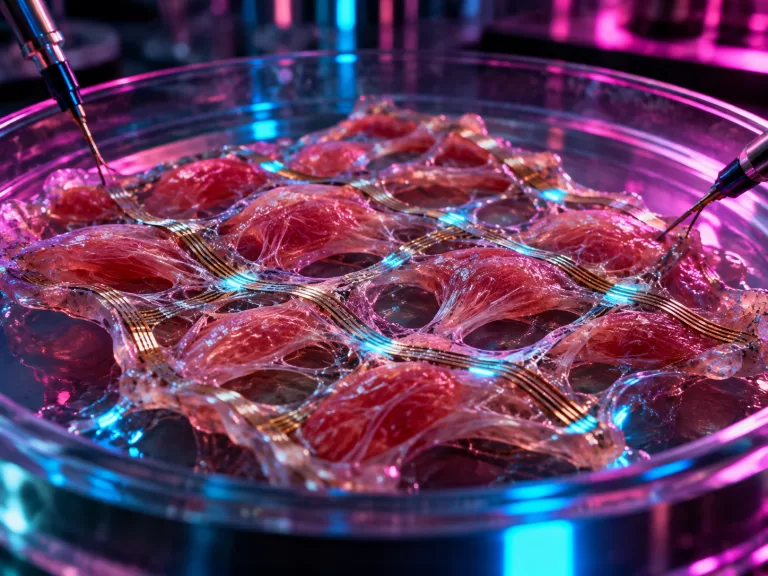
A flexible electronic mesh converted the movement of lab-grown human heart cells into electricity. The result could reshape implant design, but the clinical leap remains unproven.
Recent research unveils a novel approach to enhance the performance of ultrawide-bandgap perovskites, paving the way for more efficient solar cells.

A new prototype harnesses waste heat for cooling, utilizing shape memory alloy films to minimize electricity use.

Adjusting the HDD standby settings in TrueNAS can significantly reduce power consumption for home servers, allowing drives to sleep during idle periods.
A novel optical receiver design could enable real-time updates to AI model parameters, reducing energy demands and enhancing efficiency in robotics and other applications.

Ferveret, a startup founded by MIT researchers, has developed a cooling system that significantly reduces energy and water usage in data centers, leveraging principles from nuclear reactor technology.

The Raspberry Pi can significantly reduce utility costs through efficient computing and smart home automation.

NASA has announced five distinct categories for its Blue Marble Awards, recognizing excellence in environmental management and sustainability efforts across its programs.

A new machine learning framework promises to significantly reduce the time and cost associated with developing lithium-ion batteries, addressing a critical bottleneck in the industry.