NASA’s SpaceX Crew-11 Returns to Discuss Groundbreaking Science Mission

After 167 days in space, NASA's SpaceX Crew-11 is set to share insights from their extensive scientific mission aboard the International Space Station.

After 167 days in space, NASA's SpaceX Crew-11 is set to share insights from their extensive scientific mission aboard the International Space Station.

NASA's Hubble Space Telescope has unveiled remarkable images of infant stars, shedding light on the formation of massive stars in the universe.
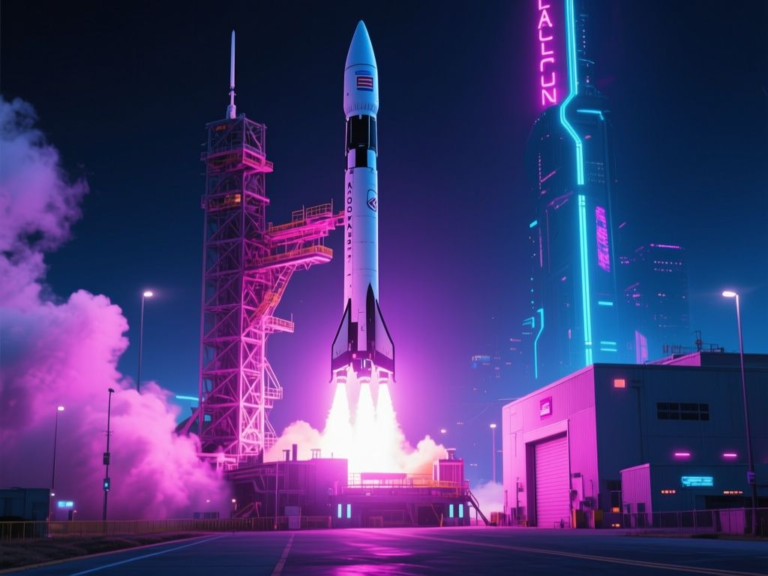
SpaceX's Falcon 9 rocket has successfully launched the NROL-105 mission, deploying intelligence-gathering satellites for the National Reconnaissance Office, marking a significant step in expanding the U.S. satellite constellation.
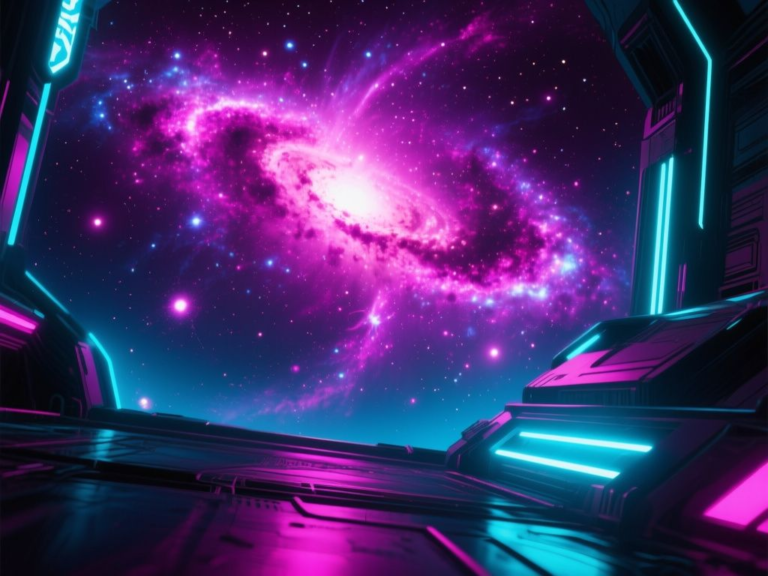
A recent study shows that active galactic nuclei are more prevalent in dwarf galaxies than previously thought, suggesting a need for revised models of black hole formation.

New research reveals that astronauts experience significant and lasting brain changes after space missions, impacting their adaptation to Earth and posing long-term health risks.

A recent study reveals how iron-rich meteorites withstand extreme conditions, providing crucial data for planetary defense strategies.
The Chang'e-6 mission has unveiled significant insights into the Moon's geological past, particularly regarding the impact that shaped its far side.

NASA and SpaceX confirmed the safe undocking of the Crew-11 mission's Dragon Endeavour spacecraft from the International Space Station, marking an early return due to a medical issue.
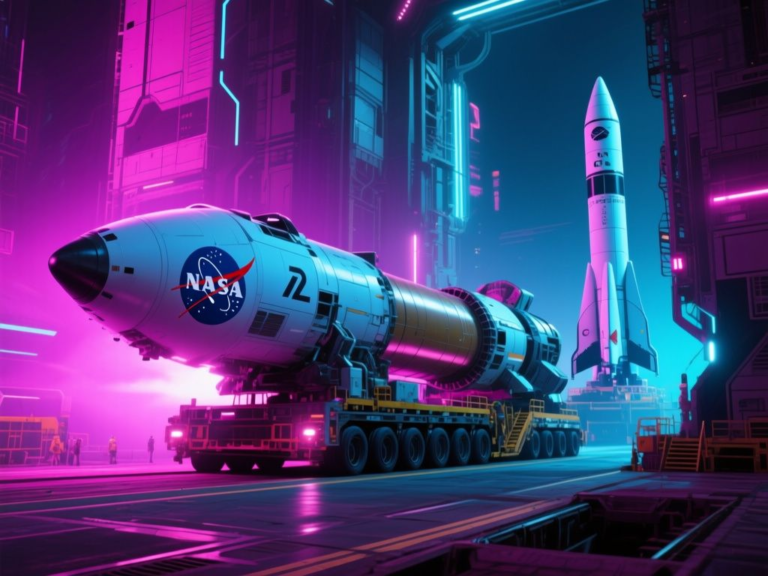
NASA's Artemis II mission is progressing towards its launch, with the Space Launch System rocket and Orion spacecraft set for a crucial rollout on January 17, 2026.
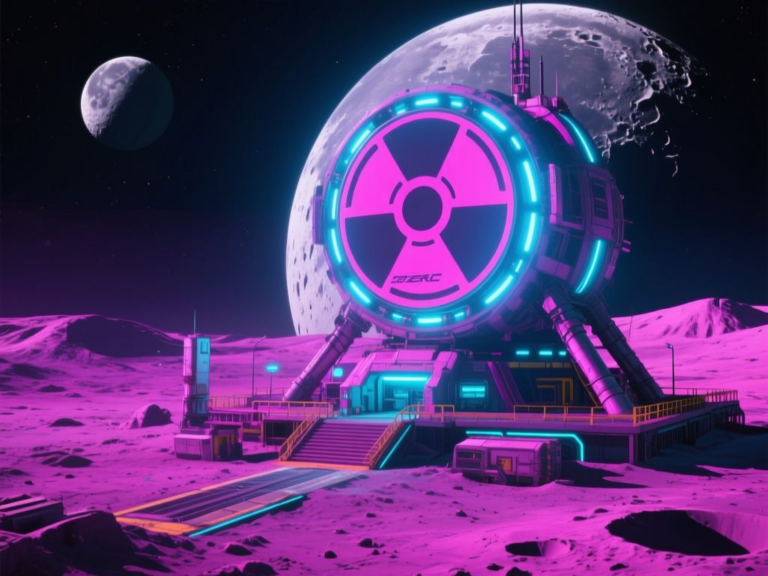
NASA and the U.S. Department of Energy have announced a partnership to develop a fission surface power system for lunar missions, aiming for deployment by 2030.


