Open-Source Software Is Starting to Help Robots Think
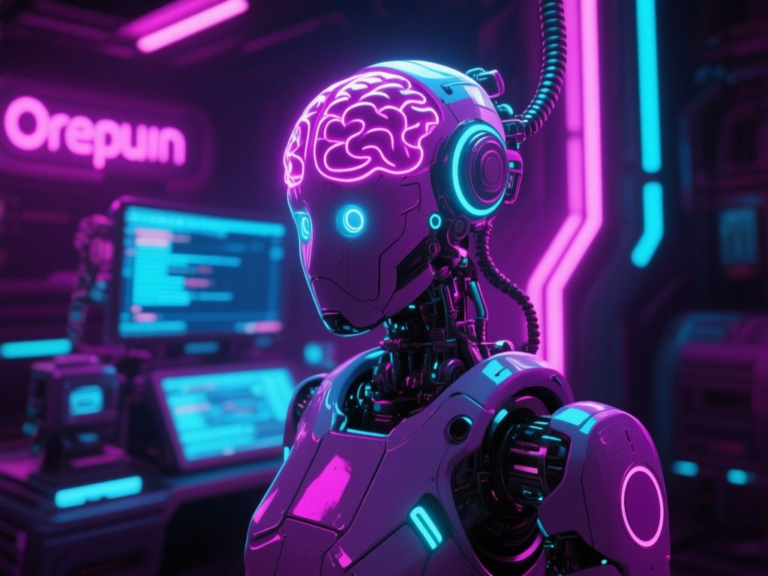
The evolution of open-source robotics is paving the way for smarter machines, with significant contributions from companies like Hugging Face and Nvidia.

Inteligencia Artificial, tendencias y futuro del trabajo
The evolution of open-source robotics is paving the way for smarter machines, with significant contributions from companies like Hugging Face and Nvidia.
Explore the Claude API, a powerful tool for Python developers, enabling seamless integration with Anthropic's language model through a straightforward setup process.
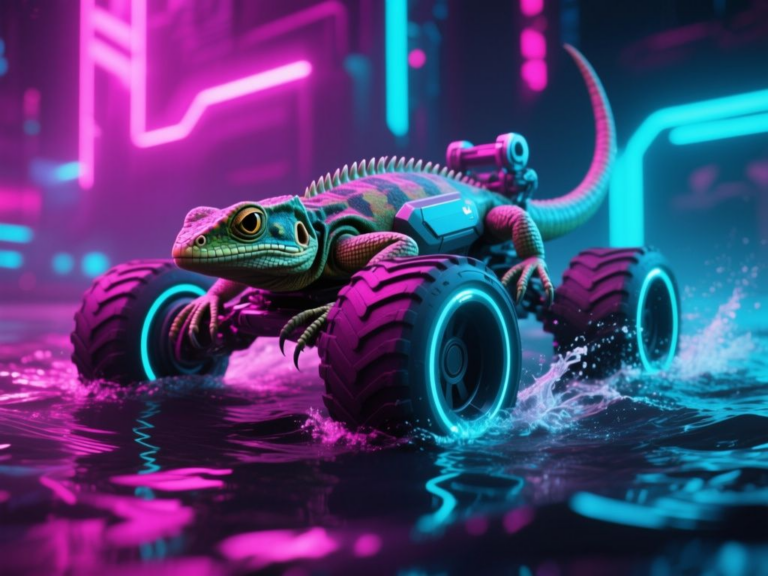
Researchers at the University of Würzburg have developed new rover wheels that mimic the swimming motion of the sandfish skink, enhancing performance on sandy Martian terrain.
A recent survey reveals that the rapid integration of AI-generated code is causing significant production issues and escalating costs for enterprises, highlighting a critical verification gap.

The release of OlmoEarth v1.1 marks a significant advancement in Earth observation technology, optimizing performance while reducing computational costs.

MIT's Connor Coley is pioneering the integration of artificial intelligence with chemical principles to enhance drug discovery processes, developing models that predict interactions and reactions of potential drug compounds.
In a significant shift for its flagship product, Google has transformed the search box from a simple input field into a dynamic, AI-driven interface that supports multimodal interactions.
Tuurny, a San Francisco-based startup, is pioneering a robotic system designed to recover reusable RAM chips from electronic waste, aiming to reshape the recycling landscape.

NVIDIA has unveiled a method to fine-tune its Cosmos Predict 2.5 model, enhancing its capabilities for generating synthetic robot trajectories through efficient training techniques.

Python's built-in functions provide essential tools for efficient coding, enabling developers to perform common tasks with ease and elegance.