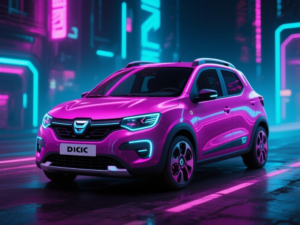
Renault’s Dacia brand is transitioning the production of its low-cost Dacia Spring electric vehicle (EV) from China to Europe. This strategic move aims to qualify for local subsidies, making the vehicle more financially accessible to consumers.
The base model of the Dacia Spring is priced at €17,900 (approximately $20,789). However, after applying French EV credits, the effective cost can drop to as low as €12,200 ($14,169).
Specifications and Performance
The Dacia Spring is equipped with a 27.5 kWh lithium iron phosphate (LFP) battery, providing a range of approximately 155 miles according to the WLTP standard (around 133 miles per EPA estimates). This range positions the Spring primarily for urban and suburban driving.
For faster charging, an optional 50 kW DC fast-charging capability is available for an additional €500, allowing the battery to charge from 15% to 80% in roughly 28 minutes. Alternatively, charging via a standard 6.6 kW outlet takes about nine hours. Dacia reports that typical Spring owners drive around 21 miles daily, with 75% of charging occurring at home.
Design Enhancements
The redesigned Spring features a more dynamic appearance, sitting higher and showcasing a more muscular body design. It has increased in size, measuring 5.9 inches longer and 7.1 inches wider than its predecessor, which contributes to a more substantial and spacious feel.
Storage capacity has also improved, increasing from 10.9 cubic feet to 11.9 cubic feet, and expanding to 45.3 cubic feet with the rear bench folded down. The vehicle includes a 7-inch digital instrument cluster and a 10.1-inch central touchscreen, along with tactile controls such as knobs and switches.
Features and Market Position
Available features include Apple CarPlay and Android Auto, a rear parking camera, and keyless entry, although these features come at an additional cost of $1,500. The Dacia Spring will be assembled in Novo Mesto, Slovenia, at the same facility that produces the Renault Twingo E-Tech city car.
With a total of 210,000 units sold globally since its launch in 2021, the Dacia Spring has proven to be a relative success for Renault. This model is part of Renault’s broader strategy to achieve a 100% electrified vehicle mix in Europe by 2030, which includes both electric and hybrid vehicles. The European Union has mandated a 90% reduction in fleet emissions by 2035 compared to 2021 levels, further emphasizing the importance of affordable EV options like the Spring.
This article was produced by NeonPulse.today using human and AI-assisted editorial processes, based on publicly available information. Content may be edited for clarity and style.
Original source: engadget.com