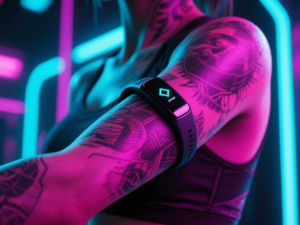
The integration of tattoos into the world of fitness trackers presents a unique challenge. While these wearables have evolved significantly, their performance can be compromised when worn over tattooed skin.
How Fitness Trackers Function
Fitness trackers typically utilize a method known as photoplethysmography (PPG) to monitor heart rate. This technique relies on a green light emitted from the device, which penetrates the skin to detect blood flow. However, tattoos can obstruct this light, leading to inaccurate or missing heart rate readings.
In addition to heart rate monitoring, fitness trackers also employ light-based sensors for wrist detection. These sensors, in conjunction with an accelerometer and electrical sensors, determine if the device is being worn. When a tattoo covers the wrist, the tracker may fail to recognize that it is in use, resulting in frequent unlocking requirements for the wearer.
Manufacturer Acknowledgment
Device manufacturers have recognized this issue. For instance, Garmin advises users to avoid wearing their trackers over tattoos, stating, “Tattoos (ink, pattern, saturation) can block the heart rate sensor’s light, causing inaccurate or missing readings.” Apple has similarly noted this concern since the launch of its first smartwatch.
Workarounds for Tattooed Users
While the situation is not ideal, users with tattoos have developed various workarounds. One common solution is to wear the device on the inner wrist, provided that area is free of tattoos. Alternatively, switching to the opposite wrist can also help. Some users have reported success using epoxy bottle cap stickers or layers of clear tape over the sensors, which can mitigate the interference caused by tattoos. Additionally, chest straps are available for those seeking accurate heart rate tracking without the discomfort of wrist-based devices.
Need for Further Research
Despite these adaptations, the fundamental issue remains unresolved. A study published in 2025 aimed to quantify the impact of tattoos on heart rate readings. It found that while tattoos generally resulted in inaccuracies, the extent of the interference varied based on the wearer’s activity level. The study indicated that the most significant discrepancies occurred at rest, with less variation during higher intensity exercise. Factors such as ink color, saturation, and depth also contribute to the inconsistency of readings.
As of now, the technology behind fitness trackers needs further development to better accommodate users with tattoos and other skin variations.
This article was produced by NeonPulse.today using human and AI-assisted editorial processes, based on publicly available information. Content may be edited for clarity and style.