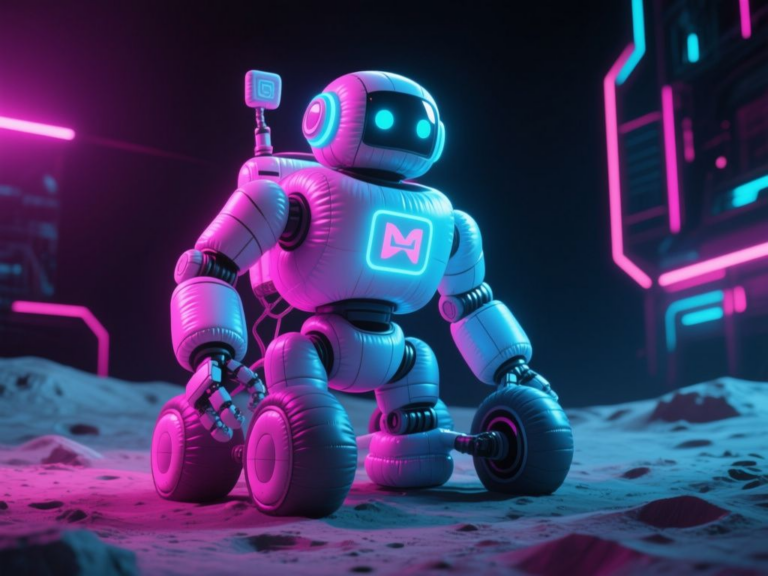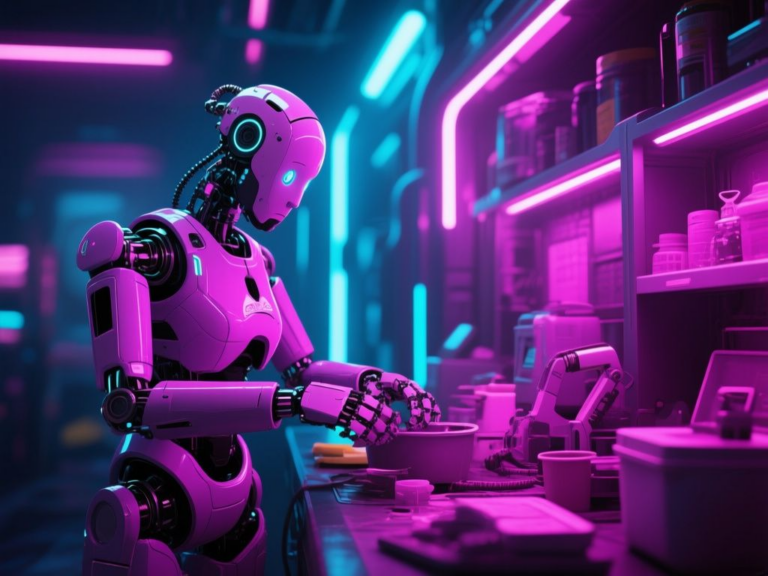
In an exciting development, researchers are pushing the boundaries of robotics by testing machine learning algorithms on a robotic platform aboard the International Space Station (ISS). This initiative represents a significant step toward enhancing the capabilities of robots in space environments.
The Robot’s Role in Space
The robot, designed to assist astronauts with various tasks, is undergoing rigorous testing to determine how well it can learn and adapt in the unique conditions of space. By integrating machine learning, the robot aims to improve its performance and efficiency, potentially transforming how tasks are performed in orbit.
How the Testing Works
During the tests, the robot is exposed to different scenarios that mimic real-life challenges faced by astronauts. Researchers are closely monitoring its ability to process information and make decisions based on its experiences. This approach not only enhances the robot’s functionality but also provides valuable data on how artificial intelligence can operate in extreme environments.
Implications for Future Missions
The implications of successful machine learning integration are vast. As space missions grow more complex, having robots that can learn and adapt on the fly could be crucial for tasks ranging from maintenance to exploration. The ongoing tests are a critical part of understanding how these technologies can be effectively utilized in future missions beyond Earth.
This research is a testament to the collaborative efforts of scientists and engineers who are determined to explore the potential of robotics in space. As the tests continue, the world watches closely, eager to see how advancements in robotics and AI will shape the future of space exploration.
This article was produced by NeonPulse.today using human and AI-assisted editorial processes, based on publicly available information. Content may be edited for clarity and style.