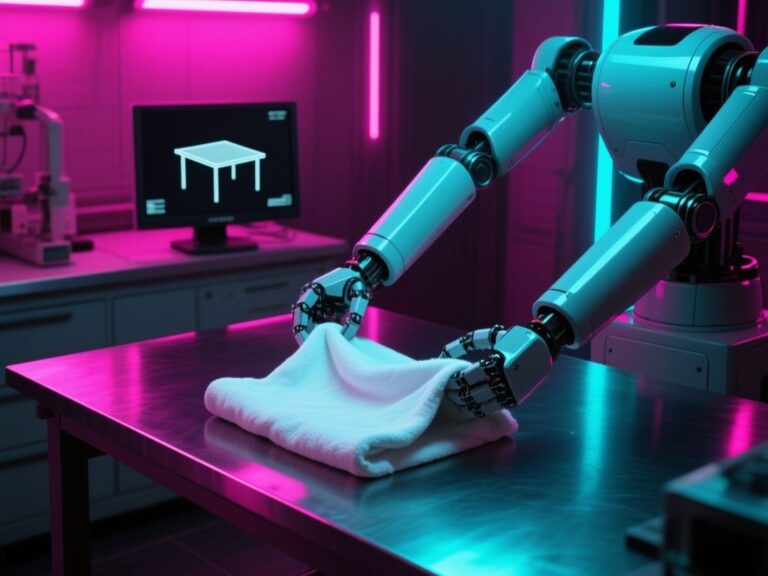
Introducing Agile ONE: The Next Step in Robotics
Agile Robots has officially launched its humanoid robot, Agile ONE, marking a new chapter in the evolution of industrial automation. This cutting-edge model is engineered to perform a wide range of tasks, from assembly line operations to complex logistics, showcasing a remarkable adaptability that sets it apart from traditional robotic systems.
Why Agile ONE Matters
The introduction of Agile ONE is significant for several reasons. First, it embodies a shift towards more versatile and intelligent automation solutions that can seamlessly integrate into existing workflows. Unlike conventional robots, which are often limited to specific tasks, Agile ONE is designed to navigate dynamic environments and handle a variety of functions. This flexibility could lead to increased efficiency and productivity in industries that rely heavily on manual labor.
Impact on the Workforce
The deployment of humanoid robots like Agile ONE raises important questions about the future of work. As automation technology advances, industries may see a shift in the types of jobs available, with a greater emphasis on roles that require oversight and management of robotic systems. While some fear that such advancements could lead to job displacement, proponents argue that robots can augment human capabilities, allowing workers to focus on more complex and creative tasks.
Looking Ahead: The Future of Robotics
Agile ONE represents not just a technological innovation but a potential paradigm shift in how industries approach automation. As the capabilities of robots expand, we can expect to see more collaborative environments where humans and machines work side by side. This evolution could redefine productivity standards and operational strategies across various sectors, from manufacturing to logistics.
This article was produced by NeonPulse.today using human and AI-assisted editorial processes, based on publicly available information. Content may be edited for clarity and style.
Original source: news.google.com