Nearly 80% of AI-Made 3D Models Hid Structural Flaws. Novices Fixed About 90%

A plausible AI-generated object can hide flaws before fabrication. InstructMesh lets novices repair selected geometry, but it does not certify strength or safety.

A plausible AI-generated object can hide flaws before fabrication. InstructMesh lets novices repair selected geometry, but it does not certify strength or safety.

A new initiative at MIT aims to enhance AI education across disciplines by equipping educators with the necessary tools and knowledge.

A recent study led by MIT researchers indicates that peptides can endure the extreme conditions of Venus's sulfuric acid clouds, raising questions about the potential for life in this harsh environment.

The MIT-IBM Computing Research Lab is fostering a unique collaboration that transforms theoretical research into practical applications in AI and quantum computing.

MIT researchers unveil CrysVCD, a groundbreaking tool that enhances the stability of materials generated by AI, significantly reducing costs and time in material design.

A recent study from MIT's CSAIL reveals that as generative models are trained on larger datasets, the connection between specific training examples and the outputs they produce diminishes significantly, leading to a phenomenon termed 'attribution decay.'
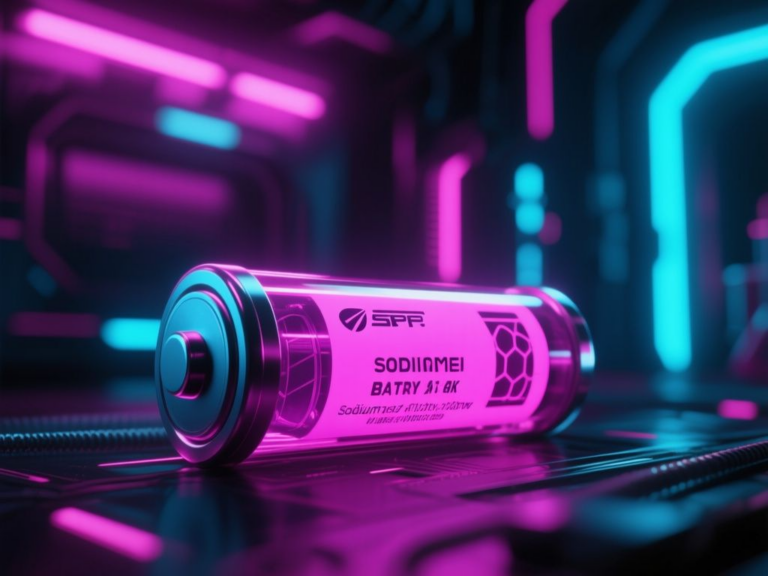
MIT researchers have developed a new approach to enhance sodium-metal batteries by optimizing electrolytes, potentially revolutionizing energy storage.

During the MIT Science Policy Initiative’s Congressional Visit Days, students and postdocs engaged with policymakers to advocate for federal investment in scientific research.

The U.S. Department of Energy has chosen 15 projects involving MIT researchers for its Genesis Mission, aimed at advancing national priorities through innovative scientific collaboration.

MIT PhD student Lauren Fortier is pioneering remote operation protocols aimed at enhancing the efficiency and safety of nuclear plant operations, a critical step for the energy sector.