International Law Enforcement and CrowdStrike Disrupt Sality Botnet

A collaborative effort led by CrowdStrike and international law enforcement has successfully disrupted the Sality botnet, a long-standing threat in the cyber landscape.

A collaborative effort led by CrowdStrike and international law enforcement has successfully disrupted the Sality botnet, a long-standing threat in the cyber landscape.

A surge in localities terminating contracts with Flock Safety highlights growing backlash against surveillance technology in the U.S.

Law enforcement agencies are closely monitoring social media activity related to the anti-Flock movement, as backlash against automated license plate readers grows.

Recent advancements in AI are raising concerns about the future of software security, particularly regarding law enforcement's ability to access encrypted communications.

As drone surveillance expands, cities across the U.S. are leveraging this technology to monitor and enforce laws against illegal fireworks, resulting in significant fines and enhanced public safety measures.
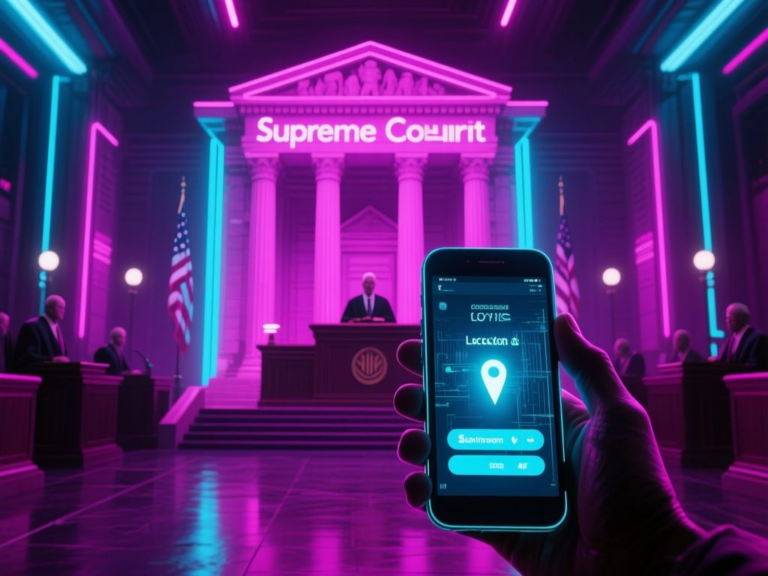
The U.S. Supreme Court has ruled that police must obtain a warrant to access mobile phone geolocation data, reinforcing privacy rights under the Fourth Amendment.

A San Diego man was wrongfully arrested due to a misidentified license plate linked to a crime he was miles away from. The incident raises questions about the reliability of surveillance technology.

The U.S. Department of Justice has announced the arrest of Jacob Butler, linked to the Kimwolf DDoS botnet, which has been implicated in numerous cyberattacks.

Owe Martin Andresen, suspected of running the Dream Market, faces charges in the US and Germany for money laundering.

The Metropolitan Police Service has initiated the use of Palantir's AI technology to scrutinize its officers, prompting concerns from the police federation about privacy and legal implications.