New Insights into Neptune’s Moons and Rings Reveal Catastrophic Past
Recent research sheds light on the origins of Neptune's moons and rings, suggesting they formed from the remnants of larger bodies destroyed during Triton's capture.

Recent research sheds light on the origins of Neptune's moons and rings, suggesting they formed from the remnants of larger bodies destroyed during Triton's capture.
Astronomers have utilized the James Webb Space Telescope to observe the twilight zones of the ultra-hot gas giant WASP-121b, revealing significant atmospheric differences between its day and night sides.
Using the NIRSpec instrument, NASA's James Webb Space Telescope has uncovered significant chemical details about interstellar comet 3I/ATLAS, shedding light on its ancient origins.
Recent observations of 55 Cancri e reveal a hydrogen-rich atmosphere and volcanic activity, enhancing our understanding of lava exoplanets.
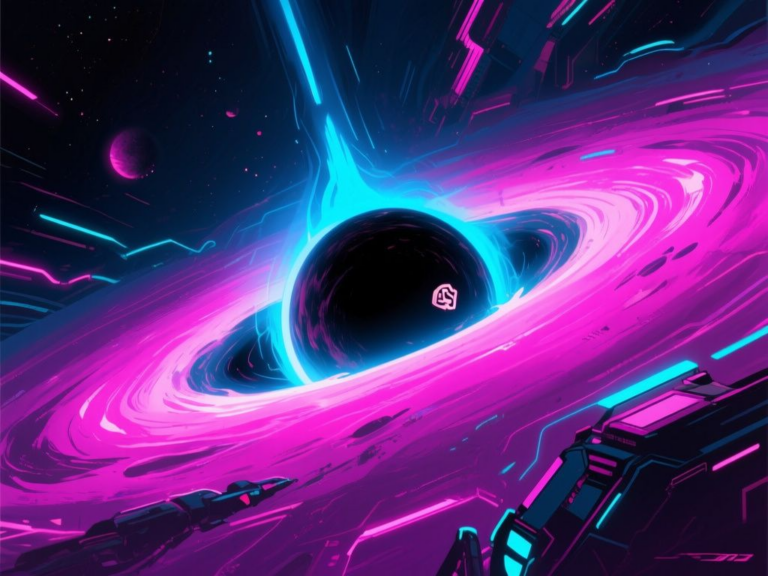
Recent research suggests that the early supermassive black holes identified by the James Webb Space Telescope may not be as overmassive as previously thought, challenging existing models of black hole growth.
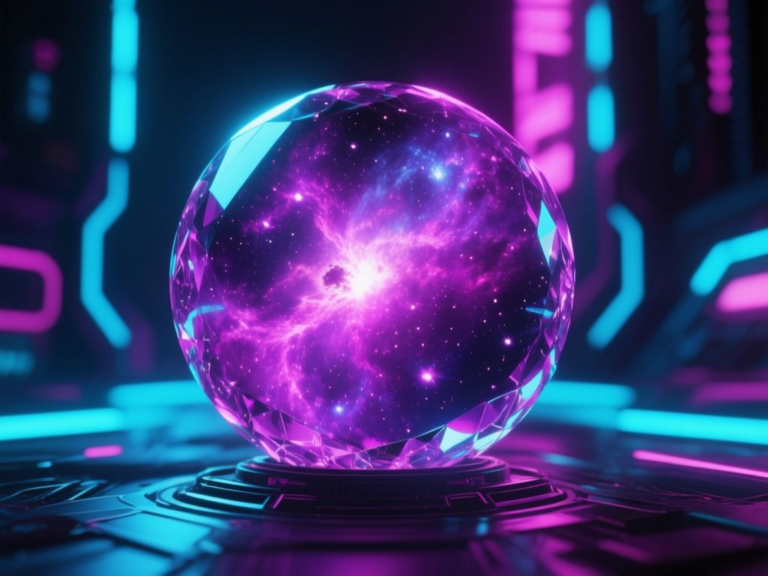
The Crystal Ball Nebula, a stunning celestial formation, reveals the intricate processes of stellar death and the dynamics of binary star systems.
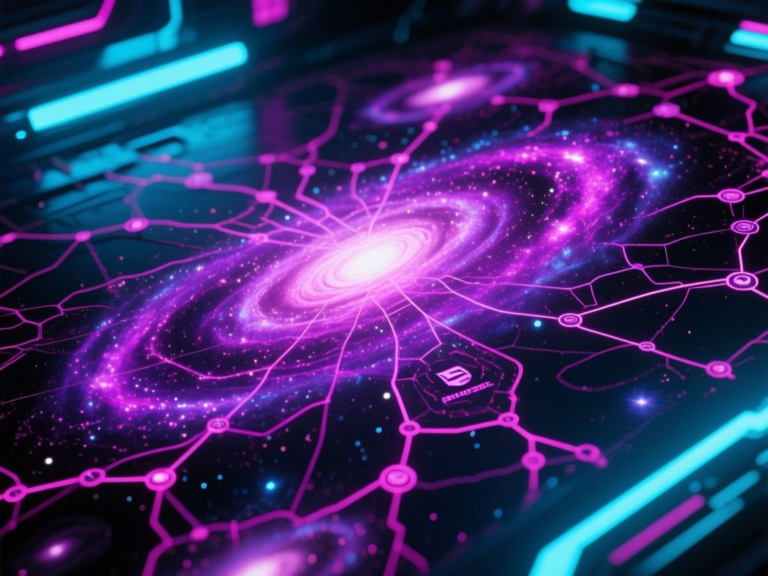
Astronomers have utilized the James Webb Space Telescope to create an unprecedented map of the cosmic web, revealing intricate structures that link galaxies and clusters across the universe.
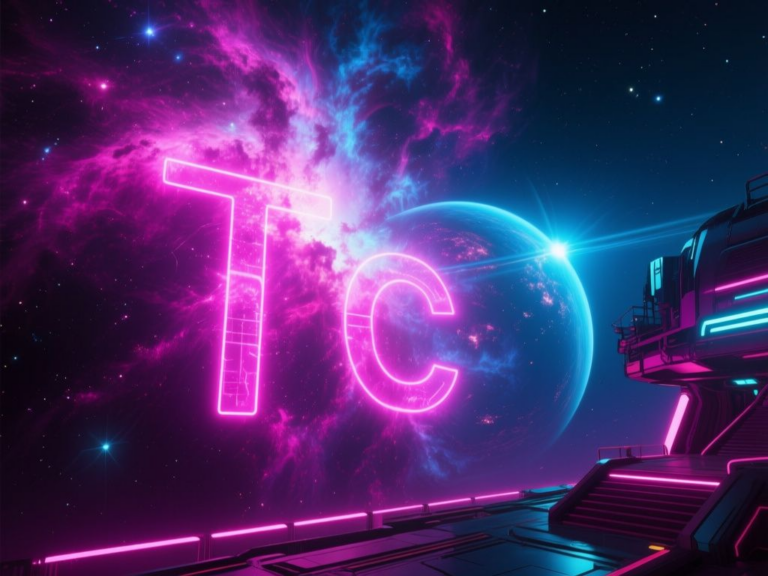
Using the James Webb Space Telescope, researchers have pinpointed the origin of buckyballs in the planetary nebula Tc 1, revealing new insights into carbon chemistry in space.
An international team of researchers has discovered water-ice clouds in the atmosphere of the super-Jupiter exoplanet Eps Ind Ab, using NASA's James Webb Space Telescope.

The James Webb Space Telescope (JWST) has provided unprecedented insights into the W51 starbirth region, revealing intricate details of star formation previously obscured by gas and dust.