SpaceX Launches 27 Starlink Satellites in Historic Mission

In a significant advancement for global broadband connectivity, SpaceX successfully launched its Starlink 15-22 mission, adding 27 satellites to its low Earth orbit constellation.

In a significant advancement for global broadband connectivity, SpaceX successfully launched its Starlink 15-22 mission, adding 27 satellites to its low Earth orbit constellation.

NASA's Lunar Reconnaissance Orbiter has successfully imaged the impact crater created by a SpaceX Falcon upper stage on the Moon, confirming the precision of trajectory predictions.
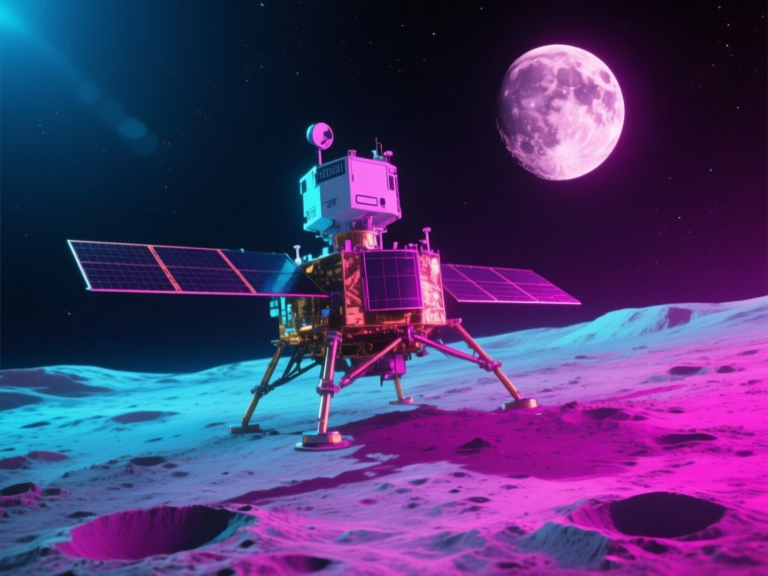
NASA has utilized its Lunar Reconnaissance Orbiter to assess the crater created by a SpaceX Falcon 9 upper stage on the Moon, revealing significant details about the impact.

On August 15, 2026, SpaceX successfully launched a batch of eight Globalstar satellites, marking a significant milestone in satellite replenishment efforts.

The Korean Aerospace Administration's Danuri lunar orbiter has successfully documented the impact site of a SpaceX rocket on the Moon, marking a significant milestone in lunar exploration.

On August 5, 2026, SpaceX's Falcon 9 rocket successfully deployed three BlueBird satellites into low Earth orbit, marking a significant step in satellite communications technology.

In the early hours of July 30, 2026, SpaceX's Falcon 9 rocket successfully deployed a classified payload for the National Reconnaissance Office, marking a significant advancement in U.S. intelligence capabilities.

The Starlink 17-52 mission successfully deployed 24 broadband satellites into low Earth orbit, further expanding SpaceX's satellite constellation.

SpaceX successfully launched its Starlink 17-39 mission, deploying 24 satellites into low Earth orbit after a previous launch attempt was aborted.

Scheduled for launch in summer 2026, Northrop Grumman's Mission Robotic Vehicle aims to extend the operational life of satellites in geosynchronous orbit through innovative robotic technology.