A Beep Came From Space and Shook the World. What Was Behind It?
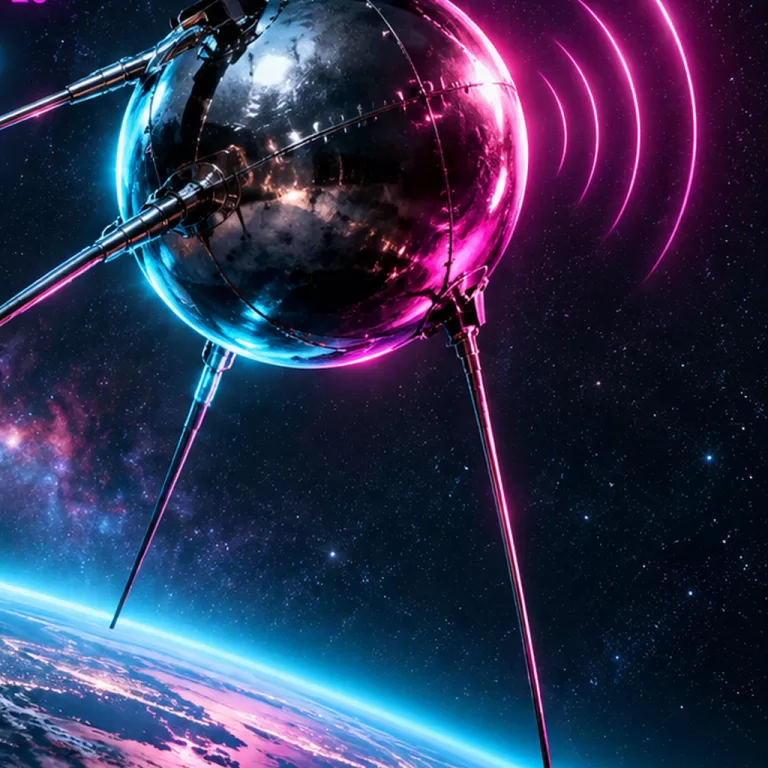
A faint radio signal crossed borders overnight. Behind it lay a Cold War shock—and the beginnings of systems the world now relies on.

A faint radio signal crossed borders overnight. Behind it lay a Cold War shock—and the beginnings of systems the world now relies on.

Researchers propose Liquid Neural Networks as a solution to the challenges of Earth observation, addressing data gaps caused by clouds and inconsistent satellite passes.

OlmoEarth Studio introduces custom embedding exports, enabling efficient analysis of Earth observation data through compact numerical representations.

The OlmoEarth Platform, a groundbreaking infrastructure for Earth observation, leverages vast satellite data to empower organizations in monitoring environmental changes.

A stunning panorama of the Olympic Mountains, captured from the International Space Station, highlights the region's geological history and ongoing environmental changes.

Astronauts aboard the International Space Station have documented the infrastructure surrounding the 2026 FIFA World Cup stadiums, offering a unique perspective on urban development and environmental restoration.
An astronaut aboard the International Space Station photographed San Francisco, revealing its urban landscape and green spaces amid changing weather conditions.

The Artemis II mission has provided a remarkable image of Earth, showcasing our planet illuminated by moonlight and revealing unique nighttime features.

The European Space Agency has announced the selection of two new missions, Hibidis and SOVA-S, aimed at enhancing our understanding of Earth's ecosystems and atmospheric phenomena.

The release of OlmoEarth v1.1 marks a significant advancement in Earth observation technology, optimizing performance while reducing computational costs.