High Hopes for Quantum Technologies – Nobel Prize

The recent Nobel Prize in Physics has spotlighted groundbreaking advancements in quantum technologies, igniting excitement about their potential applications.

The recent Nobel Prize in Physics has spotlighted groundbreaking advancements in quantum technologies, igniting excitement about their potential applications.

As artificial intelligence evolves, traditional metrics struggle to capture its full potential and value.

U.S. sanctions on semiconductor technology aimed at curbing China's tech advancements have inadvertently fueled a robust innovation ecosystem within the country, leading to significant strides in chip manufacturing and AI development.

In a significant move set for 2026, Meta plans to rent and acquire Google Cloud's Tensor Processing Units (TPUs), positioning itself as a formidable competitor to Nvidia in the AI hardware market.

In a bold move, two Gen Z entrepreneurs have turned down substantial investment offers from Elon Musk to develop an AI system inspired by the human brain, achieving remarkable success that surpasses existing models from major tech players.

Azerbaijan and Thailand are enhancing their partnership with a focus on tourism, trade, and technological innovation, creating new avenues for collaboration.

As artificial intelligence continues to evolve, its implications for various sectors are becoming increasingly significant, raising questions about ethics, regulation, and the future of work.
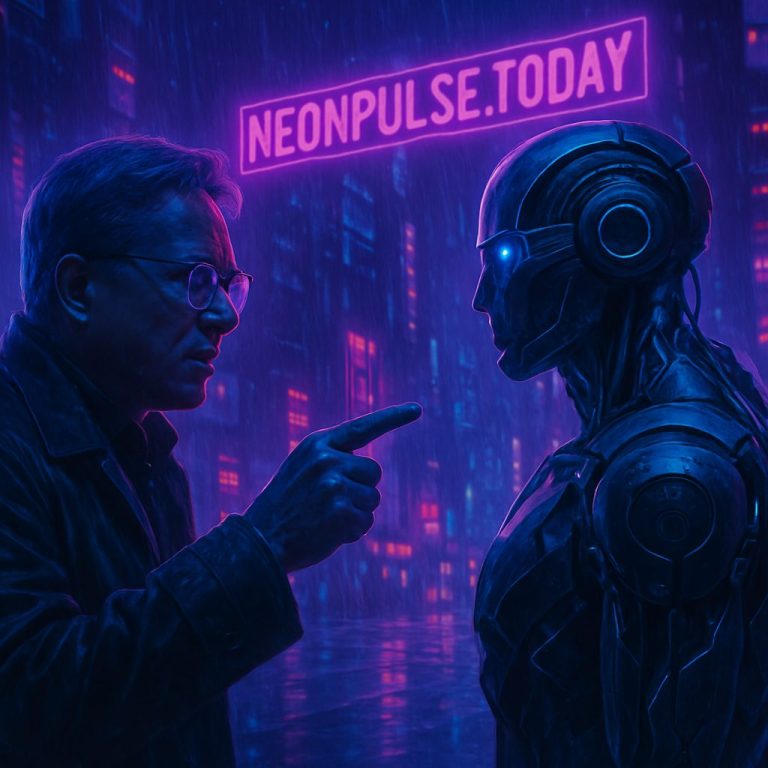
In a recent internal meeting, Nvidia CEO Jensen Huang confronted managers who were hesitant to embrace AI technologies, questioning their mindset while reassuring employees about job security.

As major tech companies implement widespread layoffs, the implications for the workforce and future employment trends are becoming increasingly evident.

Researchers have introduced the Quantum Agreement Theorem, shedding light on the conditions under which differing probability estimates converge in quantum mechanics.