LIGO: A Signal from Before the Stars: The Case for Primordial Black Holes
A recent detection by LIGO suggests the existence of primordial black holes, potentially reshaping our understanding of dark matter and the universe's early moments.

agujeros negros, ondas gravitacionales, telescopios, materia oscura.
A recent detection by LIGO suggests the existence of primordial black holes, potentially reshaping our understanding of dark matter and the universe's early moments.

Recent findings from NASA's Juno spacecraft reveal that lightning on Jupiter could be up to one million times more powerful than that on Earth, challenging our understanding of atmospheric phenomena on gas giants.
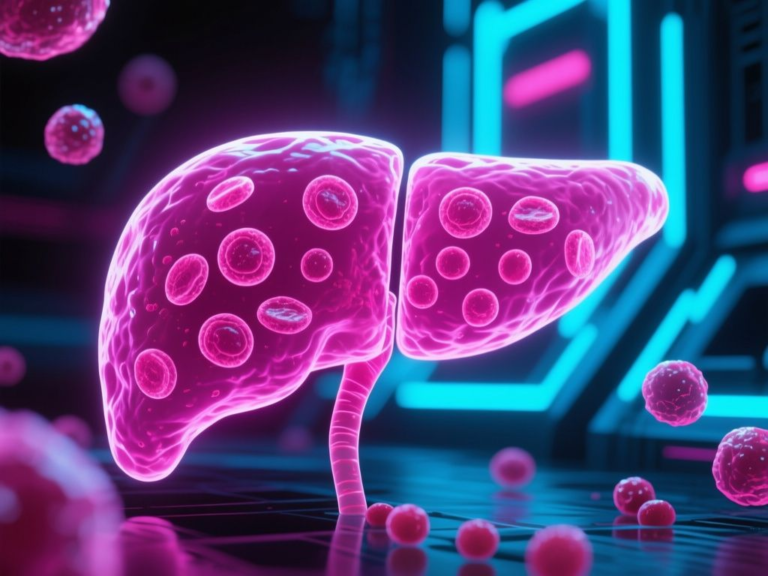
A recent study aboard the Tiangong space station reveals critical insights into how microgravity affects liver metabolism, highlighting potential strategies for future space missions.
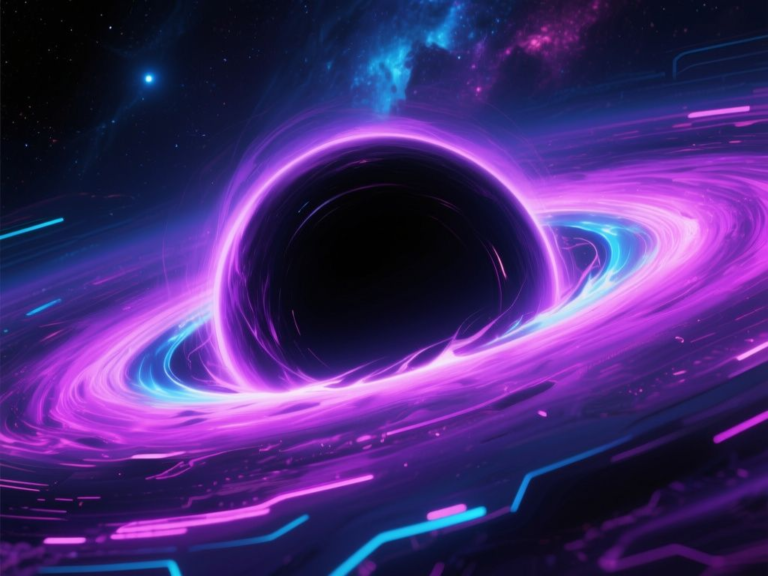
Explore the enigmatic realm of black holes, where gravity reigns supreme and the laws of physics are stretched to their limits. This explainer delves into what we know, how they work, and the mysteries that continue to baffle scientists.

Researchers from the University of Bremen have developed a cyanobacteria-based fertilizer that could enable food growth on Mars, utilizing local regolith and promoting self-sufficiency for future missions.

Recent research reveals that spacecraft heat shields may experience violent material loss during reentry into nitrogen-rich atmospheres, impacting future missions like Dragonfly to Titan.

A research team from Switzerland has conducted groundbreaking experiments aboard parabolic flights to explore the formation of planets from dust grains in protoplanetary disks, revealing key insights into hydrodynamical instabilities.

New research utilizing the James Webb Space Telescope reveals the enigmatic nature of Kepler-51d, a super-puff planet shrouded in thick haze, challenging existing models of planet formation.
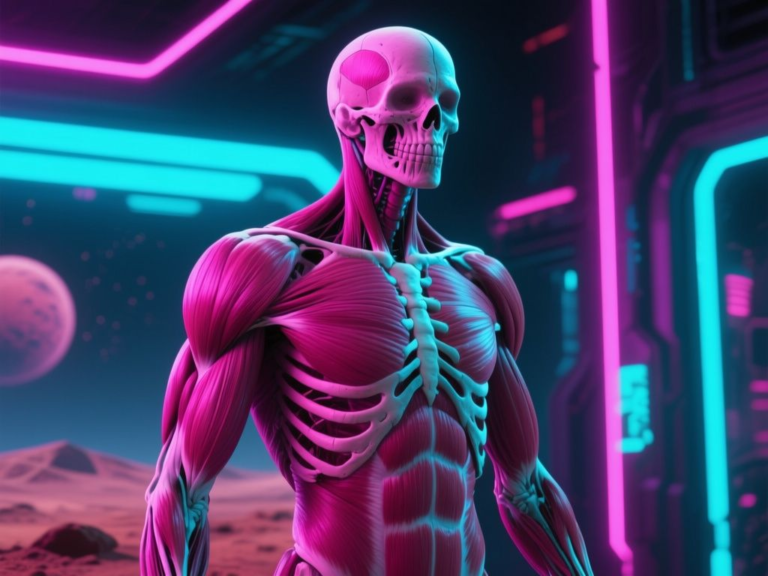
A recent study reveals critical insights into how Martian gravity may affect human skeletal muscle, a key factor for future astronauts.
A newly observed binary pair of brown dwarfs is engaging in mass transfer, marking a significant first in astrophysics.