Claude AI: Anthropic’s Claude Introduces Interactive Charting Capabilities
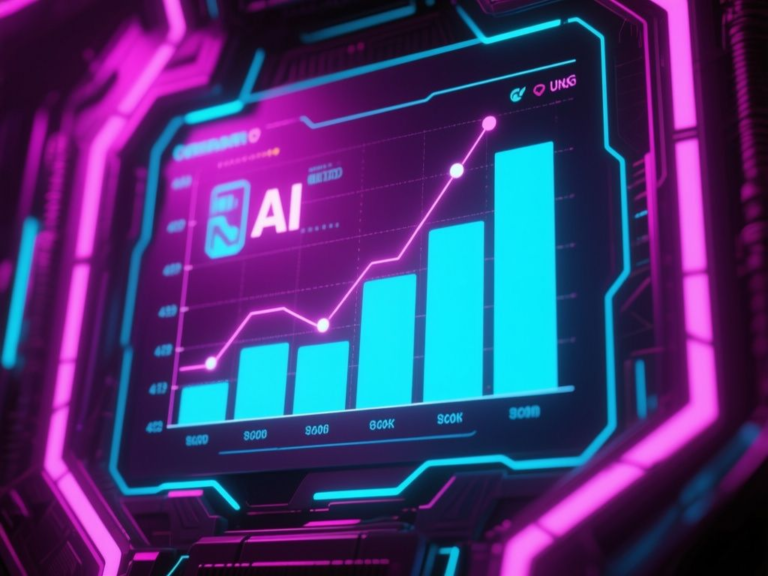
Anthropic's Claude AI now features the ability to generate interactive visualizations, enhancing user engagement through dynamic charts and diagrams.

Inteligencia Artificial, tendencias y futuro del trabajo
Anthropic's Claude AI now features the ability to generate interactive visualizations, enhancing user engagement through dynamic charts and diagrams.
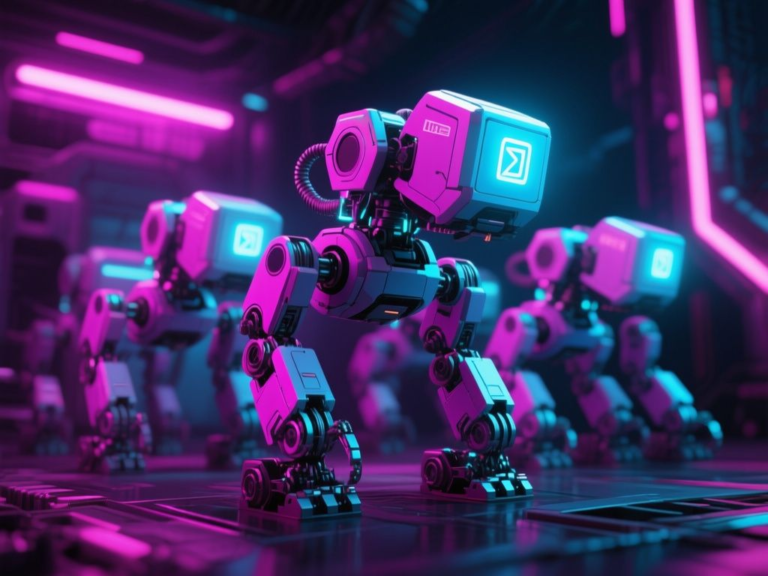
Northwestern University has unveiled a groundbreaking modular robotics system that redefines how legged robots are designed and assembled, enabling them to adapt swiftly to various environments.

A recent incident in Macau involving a Unitree Robotics G-1 robot and a startled woman highlights the complexities of human-robot interactions.

A new deep-learning model, PULSE-HF, developed by researchers at MIT, Mass General Brigham, and Harvard Medical School, forecasts heart failure prognosis, potentially transforming patient care.

NVIDIA's KGMON (NeMo Agent Toolkit) Data Explorer achieves groundbreaking results in autonomous data analysis, securing first place in the DABStep benchmark with a remarkable 30x speedup over traditional methods.

Elon Musk has unveiled 'Macrohard,' a project that aims to deploy fleets of AI agents capable of emulating entire companies, leveraging advanced AI technology from xAI and Tesla.
NVIDIA introduces a novel approach to synthetic data generation, enhancing programming skills in large language models.

Microsoft's BitNet framework offers a groundbreaking approach to efficient inference for 1-bit large language models, enhancing performance and reducing energy consumption.
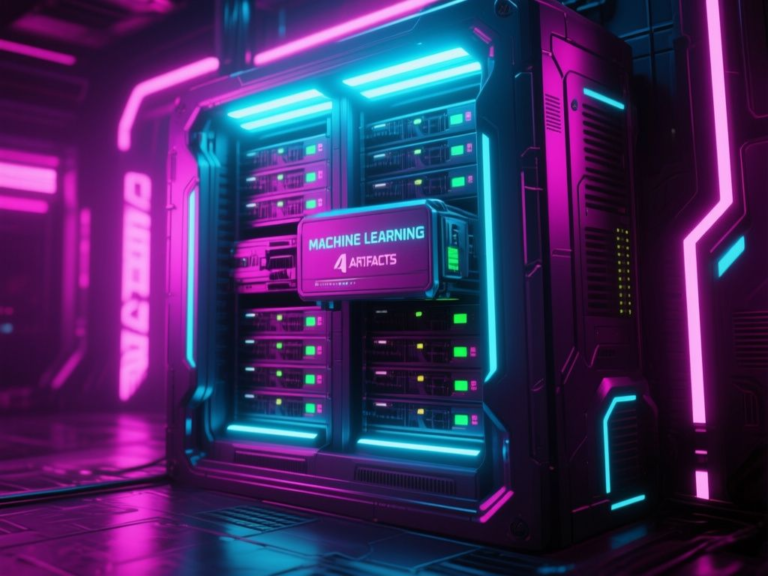
Hugging Face unveils Storage Buckets, a mutable storage solution designed to streamline the management of machine learning artifacts, enhancing efficiency and accessibility.

NVIDIA is reshaping the landscape of AI development by releasing open datasets that enhance model training and evaluation, paving the way for more efficient and trustworthy AI systems.