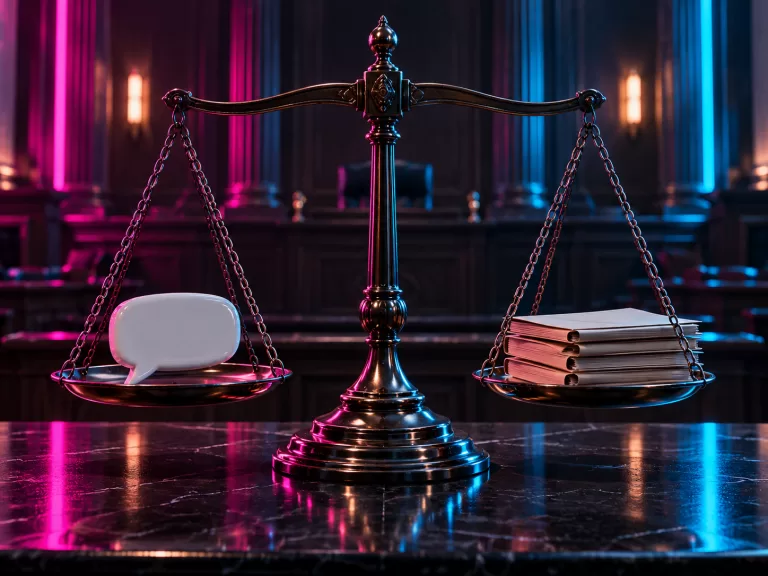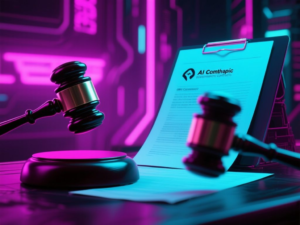
The ongoing conflict between the Department of War (DoW) and AI company Anthropic has escalated, culminating in a federal court ruling that deemed the DoW’s actions as unconstitutional. US District Judge Rita Lin characterized the blacklisting of Anthropic as a form of First Amendment retaliation, highlighting that the government lacked the authority to impose such measures without adequate justification.
Details of the Ruling
Judge Lin’s order granted Anthropic a preliminary injunction, asserting that the DoW’s designation of the company as a supply-chain risk was primarily motivated by its public criticism of government contracting practices. Lin emphasized that the government failed to demonstrate any urgent national security risk posed by Anthropic, stating, “the Department of War’s records show that it designated Anthropic as a supply chain risk because of its ‘hostile manner through the press.’” This ruling underscores the legal boundaries of government authority in regulating companies based on their public discourse.
Implications for Anthropic
Despite the favorable ruling, Anthropic faces significant challenges. The company has already experienced the cancellation of three trade deals and delays in negotiations with potential partners due to the blacklisting. Judge Lin noted that the ongoing situation could result in irreparable harm, potentially costing Anthropic billions in expected contracts over the next five years. Anthropic’s spokesperson expressed gratitude for the court’s swift action but acknowledged the precarious position the company remains in concerning government contracts.
Government’s Response
The DoW’s officials have publicly criticized the ruling, with Under Secretary Emil Michael labeling it a “disgrace” and claiming that it could disrupt military operations. The government has indicated plans to seek an emergency stay of the injunction, which would temporarily delay its implementation. This indicates a continued commitment from the DoW to pursue actions against Anthropic despite the legal setbacks.
Legal and Strategic Considerations
Judge Lin’s ruling raises critical questions about the balance of power between government entities and private companies, particularly in the rapidly evolving field of AI. The case highlights the potential for chilling effects on open discourse within the tech industry, as companies may hesitate to voice concerns about government practices for fear of retaliation. Lin pointed out that the government’s actions could deter AI firms from engaging in necessary public debates about the safe use of technology.
As the DoW prepares to contest the ruling, the implications for both Anthropic and the broader AI landscape remain significant. The outcome of this legal battle could set precedents for how government agencies interact with technology companies, particularly those involved in sensitive areas like national security.
This article was produced by NeonPulse.today using human and AI-assisted editorial processes, based on publicly available information. Content may be edited for clarity and style.
Original source: arstechnica.com