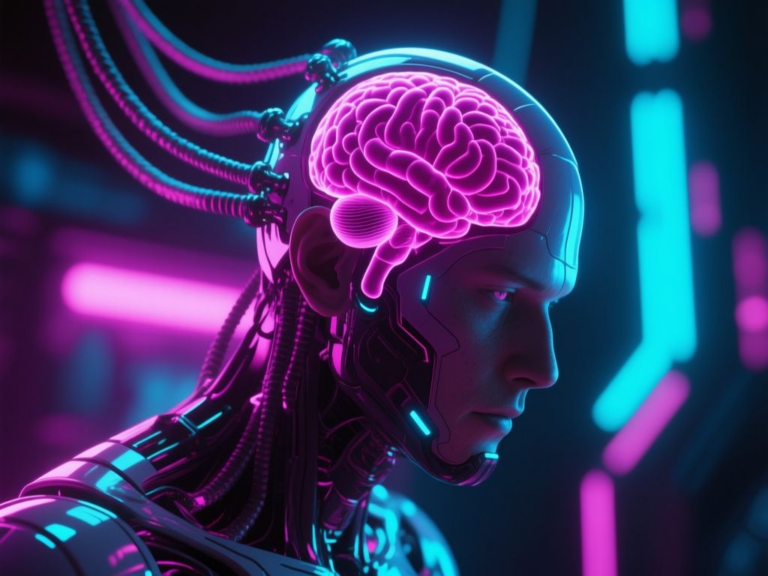
Brain-computer interfaces (BCIs) are revolutionizing the way humans interact with technology, allowing for direct communication between the brain and external devices. These systems have the potential to enhance cognitive functions, restore lost abilities, and even enable new forms of interaction with the digital world. However, despite their promise, several significant challenges remain that hinder their widespread adoption and effectiveness.
Mechanisms of Brain-Computer Interfaces
BCIs operate by interpreting neural signals generated by the brain. These signals can be captured through various methods, including electroencephalography (EEG), which measures electrical activity along the scalp, or through more invasive techniques such as intracortical implants, which directly interface with neurons. The captured signals are then processed using sophisticated algorithms to translate them into commands that can control external devices, such as prosthetic limbs or computer cursors.
Real-World Applications
The applications of BCIs are diverse and impactful. For instance, individuals with mobility impairments can use BCIs to control wheelchairs or robotic arms, enabling greater independence. Another notable application is in the field of communication; BCIs can assist individuals with conditions like amyotrophic lateral sclerosis (ALS) to communicate by translating their thoughts into text or speech. These use cases illustrate the profound potential of BCIs to improve quality of life for those with disabilities.
Limitations and Bottlenecks
Despite the advancements in BCI technology, several limitations pose challenges to their development and implementation. One major bottleneck is the signal-to-noise ratio of the neural signals. The brain generates a vast array of electrical activity, and distinguishing meaningful signals from background noise is a complex task. This challenge is exacerbated in non-invasive systems, where the signal quality is often lower compared to invasive methods.
Another significant limitation is the longevity and biocompatibility of implants. Invasive BCIs, while providing clearer signals, face issues such as tissue response and degradation over time. The body’s immune response can lead to inflammation and scarring around the implant, which can diminish its effectiveness. Developing materials that are both biocompatible and durable remains a critical area of research.
Future Directions in BCI Research
As research progresses, the focus is shifting towards improving the robustness and usability of BCIs. Innovations in machine learning are being explored to enhance the interpretation of neural signals, potentially increasing the accuracy and responsiveness of these systems. Additionally, advancements in materials science may lead to the development of better implants that can integrate more seamlessly with biological tissues.
Furthermore, ethical considerations surrounding the use of BCIs are gaining attention. As these technologies become more integrated into daily life, questions regarding privacy, consent, and the potential for misuse must be addressed. Ensuring that BCIs are developed and implemented responsibly will be essential for their acceptance and success.
In conclusion, brain-computer interfaces hold immense potential to transform human capabilities and interactions with technology. While significant challenges remain, ongoing research and innovation are paving the way for a future where BCIs could become a commonplace tool for enhancing human life.