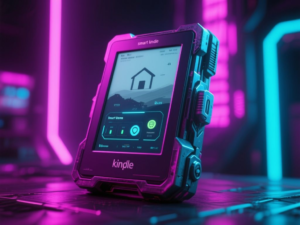
Many users may not realize that an old Kindle can be repurposed into a useful smart home dashboard. With the right setup, devices like the Kindle Paperwhite can be transformed into a control center for various connected devices using Home Assistant, a popular open-source platform for home automation.
Understanding the Kindle SmartHome Dashboard Project
The Kindle SmartHome Dashboard project, available on GitHub, allows users to leverage their Kindle e-readers to manage smart devices. This project is particularly appealing for those who want a low-power, always-on display to control devices such as lights, smart TVs, and gaming consoles. The e-ink display of the Kindle provides a unique interface that is both energy-efficient and easy to read.
Technical Requirements and Limitations
While the concept is compelling, there are several technical hurdles to overcome. The Kindle’s browser is based on outdated WebKit technology, and its hardware is limited in terms of RAM and GPU capabilities. Specifically, the Kindle SmartHome Dashboard project is designed for the Kindle Paperwhite 2 (6th Gen) and requires a jailbroken device running the Kindle Unified Application Launcher (KUAL) and MobileRead Package Installer (MRPI).
To use the dashboard effectively, a WebSocket proxy must be set up on the Home Assistant instance. This proxy allows the Kindle to load the Home Assistant interface despite the limitations of its browser. Users must also be cautious, as jailbreaking the Kindle voids its warranty.
Setting Up the Dashboard
Setting up the Home Assistant dashboard on a Kindle is more complex than it might initially seem. The process begins with running the WebSocket proxy alongside Home Assistant. Users must generate a live access token in Home Assistant and configure the necessary settings in the Kindle’s extension files. This includes specifying the WebSocket IP and access token, as well as the device’s geographical coordinates.
One of the more challenging aspects is modifying the project code to fit the specific resolution of the Kindle Paperwhite (11th Gen). This involves adjusting values in the index.html, index.js, and index.css files to ensure compatibility with the device’s display. Users unfamiliar with coding may find this step particularly tedious, as it often requires troubleshooting and adjustments.
Performance and Usability Considerations
Once set up, the dashboard can display various information, such as Google Calendar events or weather data. However, the performance is not without limitations. The extension fetches data over WebSocket at set intervals, which can impact the Kindle’s battery life. Users may need to keep the device plugged in to avoid rapid battery drain, especially if they wish to maintain a constant display.
Additionally, the dashboard widgets are not interactive, meaning users must manually refresh the display if the Kindle goes to sleep. This can detract from the overall usability of the setup, making it less convenient than dedicated smart displays.
In conclusion, while transforming an old Kindle into a Home Assistant dashboard is feasible, it requires a significant investment of time and technical knowledge. For those willing to navigate the complexities, the result can be a functional and energy-efficient smart home control center.
This article was produced by NeonPulse.today using human and AI-assisted editorial processes, based on publicly available information. Content may be edited for clarity and style.