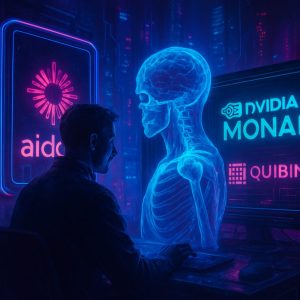
Aidoc, a leader in radiology AI, has recently forged a partnership with NVIDIA MONAI and Quibim to develop advanced in-house imaging models. This collaboration is poised to enhance the efficiency and accuracy of medical imaging diagnostics.
Strengthening AI Capabilities
The alliance aims to leverage the power of artificial intelligence to create more sophisticated imaging models that can assist radiologists in diagnosing a variety of conditions. By integrating NVIDIA’s MONAI framework, which is designed specifically for medical imaging, Aidoc will be able to streamline workflows and improve patient outcomes.
Quibim, known for its capabilities in imaging biomarker analysis, will contribute its expertise to the partnership. The combination of Aidoc’s existing AI tools with Quibim’s advanced analytics promises to deliver a more comprehensive imaging solution.
What This Means for Radiology
This collaboration is particularly significant in the context of the ongoing digital transformation in healthcare. The integration of AI technologies in radiology is increasingly vital as the volume of imaging data continues to grow. Radiologists face immense pressure to interpret images quickly and accurately, and this partnership aims to alleviate some of that burden.
By utilizing NVIDIA’s powerful computing capabilities and Quibim’s analytical tools, Aidoc is set to enhance its offerings significantly. The partnership will focus on creating models that not only improve diagnostic accuracy but also reduce the time required for image analysis.
Future Prospects
Aidoc’s collaboration with NVIDIA MONAI and Quibim reflects a broader trend in the healthcare industry where AI is becoming an essential tool for improving diagnostic processes. As these technologies evolve, the potential for faster, more accurate diagnostics in medical imaging becomes increasingly achievable.
With this strategic partnership, Aidoc is positioning itself at the forefront of the AI-driven healthcare revolution, aiming to redefine how radiology operates in the coming years.
This article was produced by NeonPulse.today using human and AI-assisted editorial processes, based on publicly available information. Content may be edited for clarity and style.
Original source: news.google.com