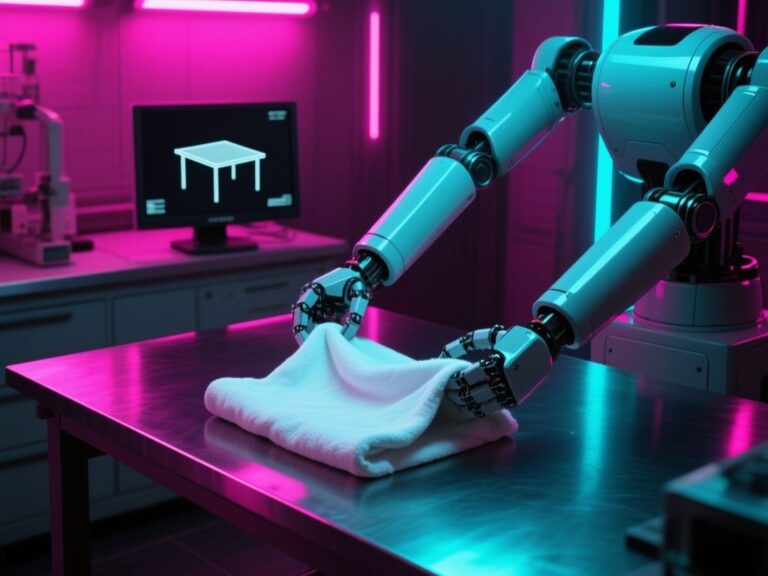
Xiaomi is making significant strides into the world of humanoid robotics, aiming to enhance manufacturing automation as the tech giant navigates a landscape of growing regulatory oversight in China. This move reflects a broader trend in the robotics industry, where companies are increasingly looking to automate labor-intensive processes.
The announcement comes as Xiaomi’s CEO, Lei Jun, emphasized the importance of integrating AI and robotics into the company’s future plans. The CEO revealed that Xiaomi is actively developing humanoid robots designed to streamline operations in manufacturing environments. This is particularly relevant as the demand for automation solutions continues to surge, driven by labor shortages and the need for efficiency.
Xiaomi’s Robotics Strategy
As part of its strategy, Xiaomi aims to leverage its existing expertise in smart devices and artificial intelligence to create robots that can perform a variety of tasks traditionally handled by human workers. By focusing on humanoid designs, the company hopes to produce robots that can easily adapt to existing workflows in factories.
Despite the ambitious plans, Xiaomi faces challenges due to stringent regulations in China that govern the deployment of robotics and AI technologies. These regulations are part of a broader effort by the Chinese government to ensure that technological advancements align with national interests and social stability. As a result, Xiaomi’s development process will likely be closely monitored by regulatory bodies.
The Broader Context of Robotics in China
The push towards humanoid robotics is not unique to Xiaomi. Many companies in China are investing heavily in automation technologies, driven by the dual pressures of rising labor costs and the need for improved productivity. The Chinese government has identified robotics as a key sector for economic growth and is actively promoting initiatives to bolster the industry.
In this environment, Xiaomi’s entry into humanoid robotics could position it as a significant player in the market. However, the company must navigate the complexities of regulatory compliance while also competing with established robotics firms both domestically and internationally.
Ultimately, Xiaomi’s foray into humanoid robots represents a pivotal moment for the company and the broader manufacturing landscape in China. As it seeks to innovate and automate, the company will need to balance its ambitions with the realities of regulatory oversight.
This article was produced by NeonPulse.today using human and AI-assisted editorial processes, based on publicly available information. Content may be edited for clarity and style.
Original source: news.google.com